Walking for Women Over 45: A Simple Plan That Actually Works
Walking is the most underrated exercise there is — free, gentle on the joints, and backed by a mountain of evidence for heart, mood, bones and longevity. For women over 45 it is the perfect everyday foundation. But there is a knack to making it truly count, and knowing what walking can and cannot do saves you disappointment. Here is how to get the most from every step.
Key takeaways
- Walking improves heart health, mood, sleep, blood sugar and bone strength — and helps slow age-related muscle loss.
- Around 30 minutes most days is a well-evidenced target, and even short walks add up.
- Consistency beats intensity; the best walk is the one you will keep doing.
- To progress, add pace, hills, intervals or a weighted pack rather than only more time.
- Walking is a brilliant foundation, but it does not replace strength training for muscle and bone.
Why walking is so good for you now
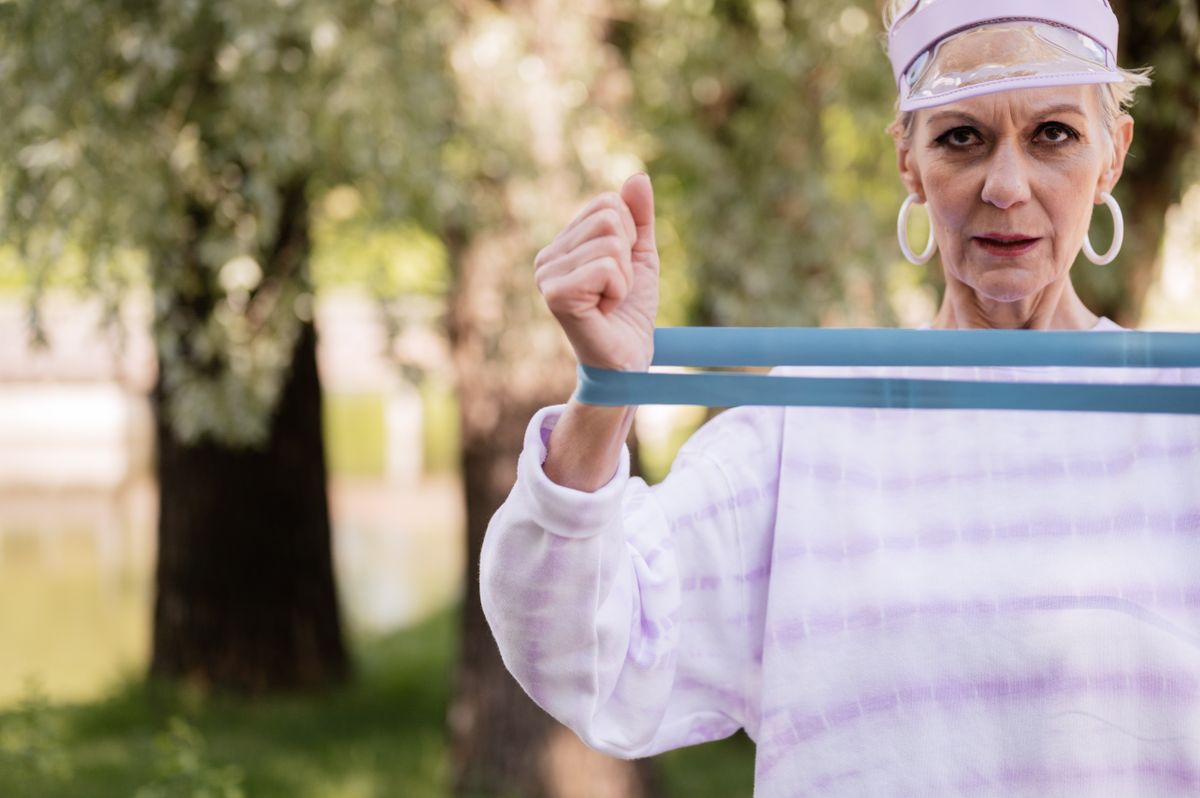
Few things deliver as much for as little as walking. Regular walking lowers the risk of heart disease, type 2 diabetes and cognitive decline, lifts mood and eases stress, supports better sleep, and — because it is weight-bearing — helps keep bones strong. It even helps counter sarcopenia, the age-related loss of muscle. And it does all this while being kind to midlife joints and requiring no equipment or membership. For many women it is the most sustainable exercise of all.
How much, and how often
A well-supported target is around 30 minutes of brisk walking most days, but do not be ruled by a single number. Shorter walks count and add up across the day, and something is always better than nothing. If you like tracking steps, use it as gentle motivation rather than a stick to beat yourself with — the trend over weeks matters more than hitting a figure every single day.
Make it count
To keep getting benefits, make your walks a little more demanding over time:
- Pick up the pace so you are slightly breathless but can still talk — that brisk zone is where much of the benefit lives.
- Add hills or stairs to work your legs and heart harder.
- Try intervals: a minute or two faster, then easier, repeated.
- Carry a little load — a weighted backpack adds gentle resistance for muscles and bones.
- Walk on varied ground; uneven surfaces quietly train your balance too.
What walking will not do
Here is the honest bit. Walking is superb for health, but on its own it is not enough to build or fully protect muscle and bone as you age — for that you need to challenge your muscles with strength training. Think of walking as the daily foundation and strength work as the essential partner. Do both, and you cover far more ground, so to speak, than either alone.
Making it a habit
The best walk is the one that actually happens, so lower the barriers: walk at the same time each day, pair it with something you enjoy like a podcast or a friend, and keep your shoes by the door. Company helps too — walking with others is linked to sticking with it and to better wellbeing.
When to see a professional
Walking suits almost everyone, but check with a professional if you have heart or joint problems, balance issues, or have been very inactive and want to build up safely. They can help you start at the right level and progress sensibly.
The studies behind this
Forget the 10,000-step myth (it began as a 1960s pedometer slogan). The real dose-response curve comes from Paluch and colleagues (2022, The Lancet Public Health) — a meta-analysis of 15 cohorts and nearly 50,000 adults. Mortality risk fell steeply with each extra thousand steps and levelled off around 6,000–8,000 steps a day for adults over 60 (8,000–10,000 if younger). Two encouraging details: the steepest gains came from moving off the bottom — going from 3,000 to 5,000 buys more than going from 8,000 to 10,000 — and pace mattered less than total steps. The perfect walking plan is the one that reliably happens.
If you track anything, track your floor, not your peak: find your worst regular day this fortnight and raise that by 1,500 steps — a 15-minute loop bolted to something fixed (after lunch, school pickup, the evening phone call). The women who improve their worst days move their average far more than the ones who chase big weekend numbers.
Frequently asked questions
How much should I walk to stay healthy?
Around 30 minutes of brisk walking most days is a well-evidenced target, though shorter walks count and add up. Consistency matters more than any exact number.
Is walking enough exercise on its own?
It is a superb foundation for heart, mood and general health, but it does not fully protect muscle and bone. Pair it with strength training two to three times a week for the complete picture.
Does walking help with menopause weight?
It helps by burning energy, improving how your body handles blood sugar and supporting mood, but the best results come from combining it with strength training and enough protein.
How can I make walking more effective?
Add pace, hills, intervals or a weighted backpack rather than just more time. Even walking on uneven ground trains your balance as a bonus.
Is it better to walk fast or far?
Briskness delivers a lot of the health benefit, so a shorter, faster walk can be as valuable as a longer stroll. Ideally, vary both across the week.
Does walking help bones?
Yes, because it is weight-bearing, though its bone benefit is gentler than strength training. Combining walking with resistance work protects bones best.
Get your free Healthy Ageing Starter Kit
A 21-day meal plan, hormone checklist, walking planner and more — free when you join our newsletter.
References and disclaimer
Sources: This article draws on peer-reviewed research on the health benefits of walking and physical activity, alongside exercise guidance. For further evidence-based guidance, see World Health Organization and Cochrane. It is general information, not medical advice.
This article reflects current, widely accepted physical-activity guidance from major health organisations. It is for general education only and is not a substitute for personalised medical advice. If you have a health condition, please speak with a qualified professional before starting a new routine.