
Magnesium for Sleep and Calm: What the Evidence Actually Says
Magnesium is the internet’s favourite menopause supplement — promoted for sleep, calm, cramps and more. Some of that is fair, and some is hype. Here is an honest look at what magnesium actually does, what the evidence really shows for sleep and calm, and how to use it sensibly if you decide to.
Key takeaways
- Magnesium is an essential mineral involved in hundreds of body processes, including some that affect sleep and the nervous system.
- For sleep, the evidence is modest — small studies suggest a minor benefit for some, not a dramatic fix.
- Many women fall a little short on magnesium, and a food-first approach is the best starting point.
- Form matters for tolerability: glycinate is gentle; oxide is poorly absorbed and can loosen the bowels.
- It is generally safe in sensible amounts, but check with a professional if you have kidney problems or take other medicines.
What magnesium actually does
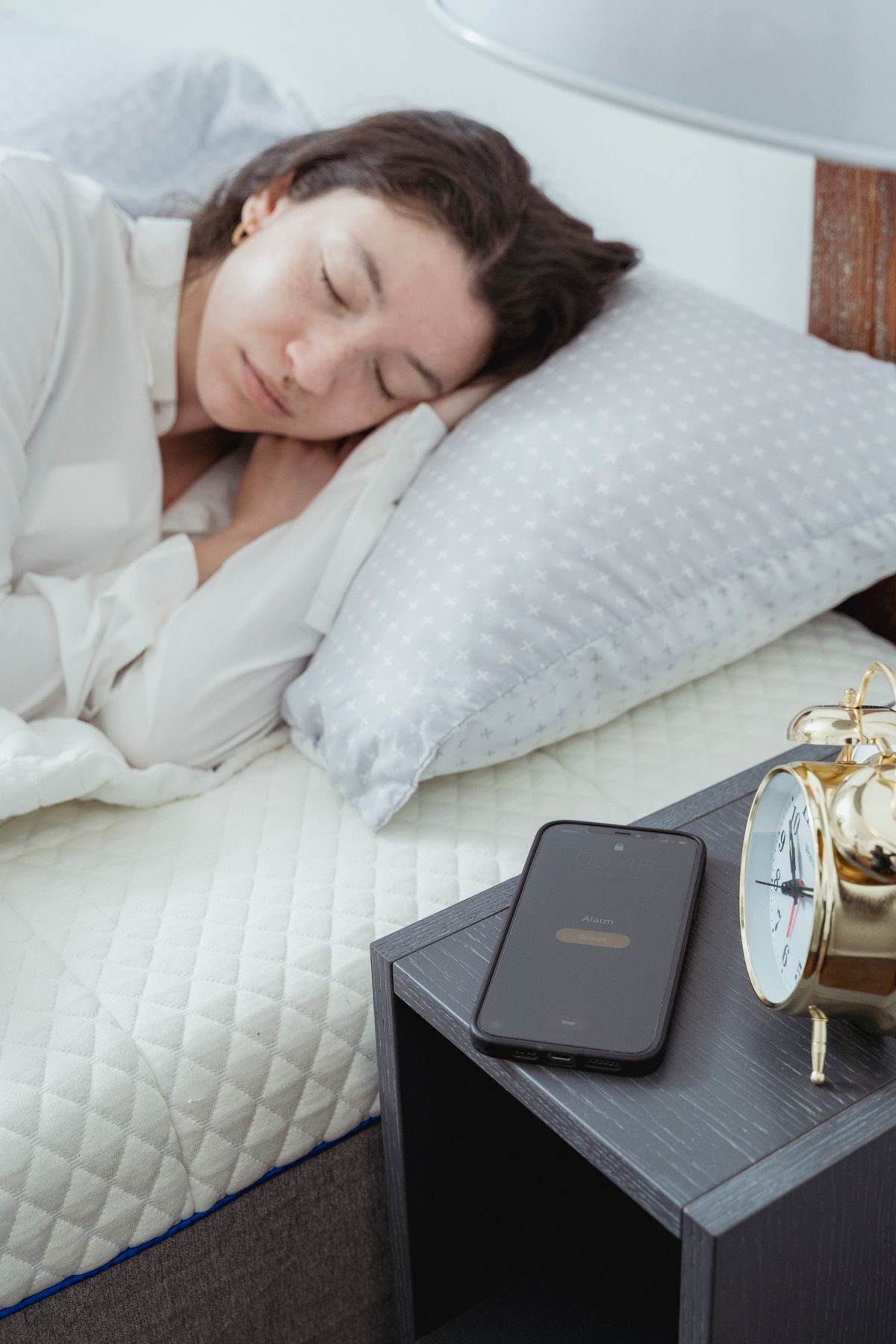
Magnesium is a mineral your body cannot make, so you get it from food. It takes part in hundreds of reactions, including nerve signalling, muscle function and the systems that help the body wind down. Because of that calming role, it is often suggested for sleep, stress and muscle cramps — all common complaints around menopause. The theory is reasonable; the real question is how much it actually delivers.

What the evidence really says
Here is the honest picture. For sleep, good-quality studies show only a modest effect — helping some people fall asleep a little faster, for instance — rather than a dramatic transformation. The evidence for “calm” and anxiety is thinner still. That does not make magnesium useless: if you are genuinely low in it, topping up can help how you feel, and a gentle, well-tolerated supplement is low-risk to trial. But it is a supporting player, not the star — and no supplement replaces the sleep habits and stress basics that do the real work.
| Form | Best for | Digestive tolerance | Notes |
|---|---|---|---|
| Glycinate (bisglycinate) | Sleep, calm — the evening choice | Excellent | Glycine itself has small positive sleep studies |
| Citrate | General use; constipation-prone | Good; mildly laxative | Well absorbed, cheap |
| Oxide | Cheapest label number | Poor — common upset | Poorly absorbed; the form in most gummies |
| Malate / taurate / threonate | Niche claims | Good | Fine forms; the premium-price claims outrun the human data |
The studies behind this
The most-cited trial is Abbasi and colleagues (2012, Journal of Research in Medical Sciences): a double-blind, placebo-controlled trial in older adults with insomnia, where 500mg of magnesium daily for 8 weeks improved sleep time, sleep efficiency and how quickly participants fell asleep. A 2021 systematic review and meta-analysis (BMC Complementary Medicine and Therapies) pooled the randomised trials in older adults and found magnesium shortened time-to-sleep modestly — while rating the overall evidence quality as low-to-moderate and calling for better trials. That is the honest state of play: a real but modest effect, most likely if your intake was low to begin with — the NIH magnesium fact sheet notes most surveyed adults fall short of recommended intakes.
Food first
Before reaching for a bottle, it helps to know magnesium is abundant in everyday foods: leafy greens, nuts and seeds (pumpkin seeds especially), beans and lentils, wholegrains, and dark chocolate. Building these into your day covers most people’s needs and brings fibre and other nutrients along for the ride.
If you choose to supplement
If you want to try a supplement, a few practical points:
- Form matters. Magnesium glycinate or citrate are generally well absorbed and gentle; magnesium oxide is cheap but poorly absorbed and more likely to cause loose stools.
- More is not better. Stick to sensible amounts on the label; very high doses can upset digestion.
- Timing. Many people take it in the evening for its wind-down role, though the evidence for exact timing is limited.
- Judge it honestly. Give it a fair, time-limited trial and decide whether it genuinely helps you.
Our suggested two-week test: 200–300mg of magnesium glycinate about an hour before bed, phone out of the bedroom (give the magnesium a fair fight), and a one-line sleep note each morning — asleep fast or slow, woke in the night or not. If the notes look no different after two weeks and your diet already includes nuts, seeds, legumes and leafy greens, your magnesium was probably fine all along — spend the money on blackout curtains instead.
Safety and when to check first
Magnesium from food is safe for almost everyone. Supplements are generally safe in sensible amounts, but check with a professional first if you have kidney problems, take other medications (including some heart or blood-pressure medicines, or certain antibiotics), or are unsure — because magnesium can interact. “Natural” still deserves the same care as anything else you take.
Frequently asked questions
Does magnesium really help sleep?
The evidence is modest — it may help some people fall asleep a little faster, but it is not a dramatic fix. It works best alongside good sleep habits, not instead of them.
Which magnesium is best for sleep?
For tolerability, magnesium glycinate or citrate are usually good choices; oxide is poorly absorbed and more likely to loosen the bowels. The best one is the one you tolerate and will take consistently.
Can I get enough magnesium from food?
Often, yes. Leafy greens, nuts, seeds, beans, wholegrains and dark chocolate are all rich sources, and a food-first approach is the sensible starting point.
Is magnesium safe to take every day?
For most people, in sensible amounts, yes. But check with a professional first if you have kidney problems or take other medicines, as magnesium can interact.
Does magnesium help with menopause anxiety?
The evidence here is thinner than for sleep. It may take the edge off for some, but it is not a treatment for anxiety, and persistent anxiety deserves proper support.
When should I take magnesium?
Many people take it in the evening for its wind-down role, though evidence on exact timing is limited. Consistency matters more than the precise hour.
Products we think are worth a look
Fit and Healthy Being is reader-supported. Some links below are affiliate links: if you buy through them we may earn a small commission at no extra cost to you. This is education, not medical advice. See our affiliate disclosure.
Breathing for Sleep is an easy, drug-free breathing routine designed to help you fall asleep faster and rest more deeply — a natural companion to the sleep habits above.
Get your free Healthy Ageing Starter Kit
A 21-day meal plan, hormone checklist, walking planner and more — free when you join our newsletter.
Read next: Best Menopause Supplements: an honest, evidence-based guide.
References and disclaimer
Sources: This article draws on peer-reviewed research on magnesium and sleep, national nutrient guidance, and reviews of magnesium supplementation. For further evidence-based guidance, see Cochrane and The Menopause Society. It is general information, not medical advice.
This article reflects current, widely accepted guidance from major health organisations. It is for general education only and is not a substitute for personalised medical advice. Speak with a qualified professional before starting any supplement.