Best Natural Sleep Aids for Menopause: An Honest Ranking
Menopausal sleep problems send many women searching for a magic pill. The honest truth is that the most effective “sleep aid” is not a product at all — but a few genuinely useful things can help around the edges. This guide ranks the sleep aids women over 45 consider by how well they actually work, so you know where to start and what to skip.
Some links below are affiliate links: if you buy through them we may earn a small commission at no extra cost to you. As an Amazon Associate I earn from qualifying purchases. It never influences our rankings. This is general information, not medical advice — speak to a professional about persistent sleep problems or before starting any supplement.
The short version
- The most effective option is not a supplement: it is cognitive behavioural therapy for insomnia (CBT-I) plus solid sleep habits.
- A cool, dark bedroom and a consistent routine are free and foundational.
- Among products, magnesium is the most reasonable to trial, with modest expectations.
- Herbal remedies such as valerian have weak, inconsistent evidence.
- Sleeping tablets are for short-term use only, and only with a professional.
Menopause sleep aids compared
| Sleep aid | Best for | Evidence | Our take |
|---|---|---|---|
| CBT-I | Ongoing insomnia | Strong (gold standard) | The most effective option, and drug-free |
| The Sleep Reset (14-night programme) | A structured, done-for-you routine | Builds on CBT-I-style habits | Reasonable starting point; not clinician-led CBT-I |
| Sleep habits & cool room | Everyone | Strong | Free and foundational |
| Magnesium | Restless sleepers | Modest | Reasonable to trial; food first |
| Glycine / L-theanine | Winding down | Limited, emerging | Optional and low-risk |
| Herbal (valerian) | Mild restlessness | Weak, inconsistent | We would not rely on these |
| Sleeping tablets | Short-term only | Work briefly | Short-term, with a professional |
1. CBT-I — the most effective, and it is not a pill
Cognitive behavioural therapy for insomnia is a short, structured, drug-free programme, and it has the strongest evidence of anything here — it works even while hormones fluctuate and outperforms sleeping tablets over the long term. Best for: anyone whose poor sleep has become a pattern. Who should skip it: almost no one; it is under-used precisely because it is not sold in a bottle. Ask a professional, or look into a reputable CBT-I app. See why in our guide to 3am waking.
Prefer a done-for-you version? A structured 14-night programme
If arranging a therapist or committing to an app feels like too much right now, The Sleep Reset is a low-cost downloadable programme that walks you through 14 nights of CBT-I-style habit changes — fixed wake times, wind-down routines, stimulus control — one evening at a time. To be clear about what it is not: it is not clinician-led CBT-I, and we grade it accordingly. A reasonable structured starting point with a money-back guarantee, not a substitute for professional help if insomnia is entrenched.
2. Sleep habits and a cool bedroom — free and foundational
A consistent wake time, a wind-down routine, and a cool, dark, quiet room do more for menopausal sleep than most products — especially when night sweats are in play. Best for: everyone, as the base to build on. See our wind-down routine and bedroom setup guides.
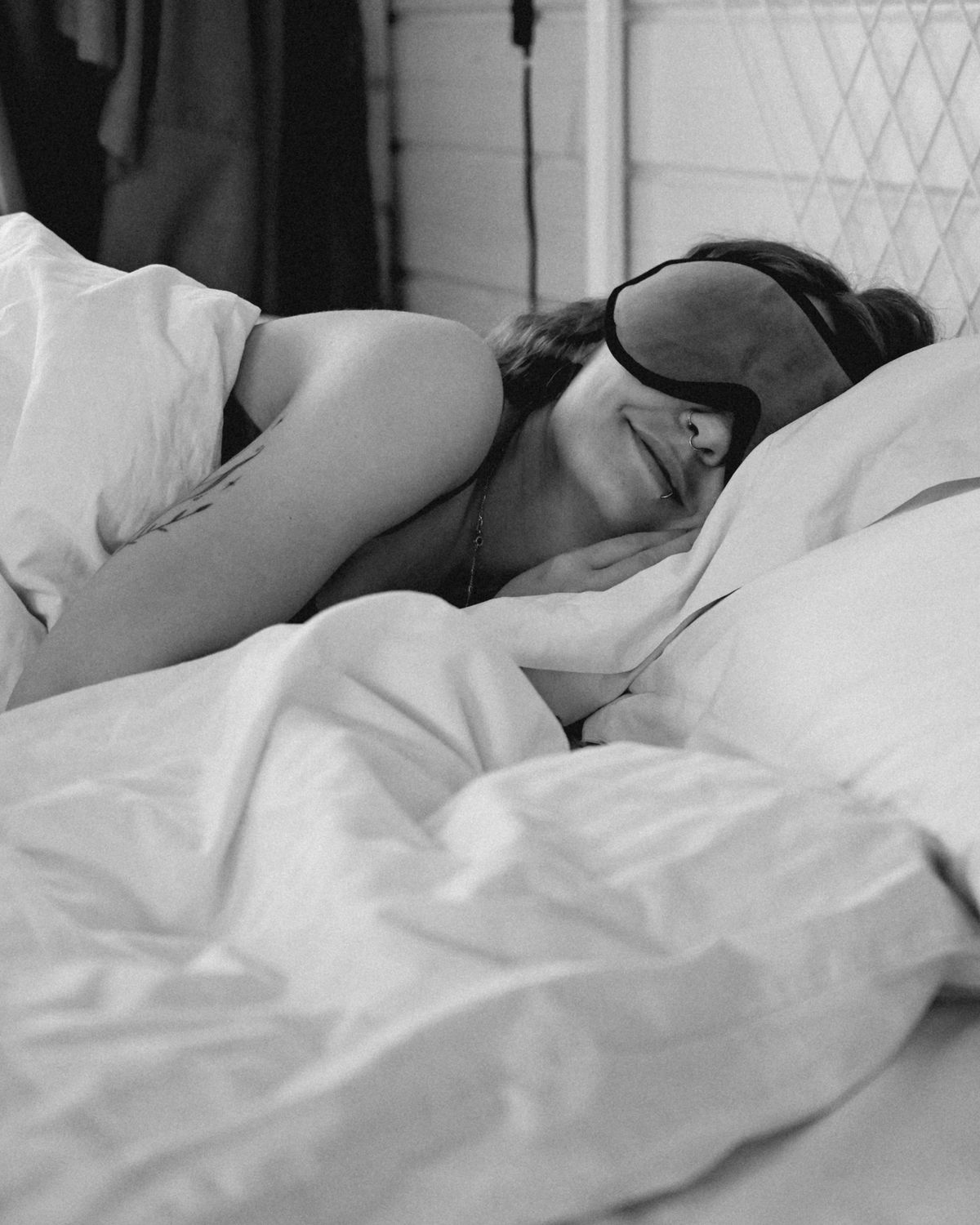
A blackout sleep mask — an easy way to darken the room
A dark room helps the body wind down, and blackout curtains are not always practical. A soft eye mask is an inexpensive, drug-free way to keep early daylight and street light off your face, whether you are at home, working shifts or travelling. It will not resolve insomnia on its own, but paired with a cool, consistent bedroom routine it is a small comfort that many women find helps them settle and stay asleep.
3. Magnesium — the most reasonable supplement to trial
Magnesium is involved in sleep and the nervous system, and it is the supplement with the most (albeit modest) support here. Best for: restless sleepers happy to trial a gentle form alongside good habits. Who should skip it: if you have kidney problems or take certain medicines, check first. Glycinate or citrate are gentler than oxide. More in our magnesium guide.
4. Glycine and L-theanine — optional extras
These amino acids are sometimes used to help the mind settle before sleep. The evidence is limited and emerging rather than strong, but they are low-risk to try. Best for: those who have the basics in place and want to experiment. Who should skip them: anyone hoping they will fix insomnia on their own — they will not.
5. Herbal remedies — weak evidence
Valerian and similar herbal sleep remedies are popular, but good-quality trials are weak and inconsistent, and “natural” can still interact with medication. Our take: we would not rely on them, and you should tell a professional before trying one, especially alongside other medicines.
6. Sleeping tablets — short-term only
Prescription and over-the-counter sleeping tablets can help briefly, but they are not designed for long-term use and do not address the causes of menopausal sleep problems. Our take: use only under a professional’s guidance, for a short time, while you put the more durable fixes in place.
When to see a professional
See a professional if poor sleep is persistent and affecting your days, if you snore heavily or gasp in your sleep, or if low mood or anxiety is keeping you awake. Persistent insomnia is very treatable — most often with CBT-I rather than a lifetime of pills.
Frequently asked questions
What is the best sleep aid for menopause?
The most effective is cognitive behavioural therapy for insomnia (CBT-I) plus good sleep habits — not a supplement. Among products, magnesium is the most reasonable to trial, with modest expectations.
Does magnesium help menopause sleep?
The evidence is modest — it may help some people fall asleep a little faster, but it will not fix insomnia on its own. It works best alongside good habits, not instead of them.
Do herbal sleep remedies work?
Herbal remedies like valerian have weak, inconsistent evidence, and can still interact with medication. We would not rely on them; tell a professional before trying one.
Are sleeping tablets safe for menopause insomnia?
They can help short-term but are not meant for long-term use and do not address the causes. Use them only briefly and under a professional’s guidance.
What is the fastest thing that helps menopausal sleep?
Cooling the bedroom, a consistent wake time and treating night sweats often help within days. For a lasting fix, CBT-I is the most effective route.
Can I fix menopause sleep without medication?
Very often, yes — a cool room, a steady routine, managing night sweats, and CBT-I for persistent insomnia address most menopausal sleep problems without medication.
Where does every ingredient here sit against everything else we cover? See the Midlife Supplement Evidence Map — every ingredient on this site, one page, honestly graded.
References and disclaimer
This guide is general information, not medical advice. Speak to a professional about persistent sleep problems, or before starting any supplement or sleep medication.
Sources: This guide draws on sleep-medicine research, including the evidence base for cognitive behavioural therapy for insomnia and reviews of magnesium and herbal sleep remedies, alongside guidance from major menopause bodies. For further evidence-based guidance, see The Menopause Society and Cochrane.