
The Best Bedroom Setup for Deep Sleep After Menopause
You can do everything right in the hour before bed and still be undone by the room you sleep in. For women navigating menopause, the bedroom matters more than ever — because night sweats, lighter sleep and a sensitive body clock all respond to temperature, darkness and quiet. Here is how to set up a bedroom built for deep sleep, and which upgrades are actually worth it.
Key takeaways
- Cool, dark and quiet is the evidence-based trio — and “cool” matters most when night sweats are in play.
- A slightly cool room (many people sleep best around 18°C) supports the natural drop in body temperature that sleep needs.
- Light is a powerful clock-setter: even small amounts at night can nudge you awake.
- Breathable, natural bedding and layers help you manage night sweats without fully waking.
- Most sleep gadgets are optional; the basics do the heavy lifting.
Cool: the most important lever
To fall and stay asleep, your core temperature naturally dips — and a warm room fights that, which is why you sleep badly on hot nights. Around menopause this is doubly important, because night sweats can spike your temperature and jolt you awake. Aim for a cool room; many people sleep best at around 18°C, though comfort varies. Practical help: a fan (which also adds soothing background noise), breathable natural-fibre bedding, layers you can kick off, cotton or moisture-wicking nightwear, and a glass of cold water within reach.

Dark: protect your body clock
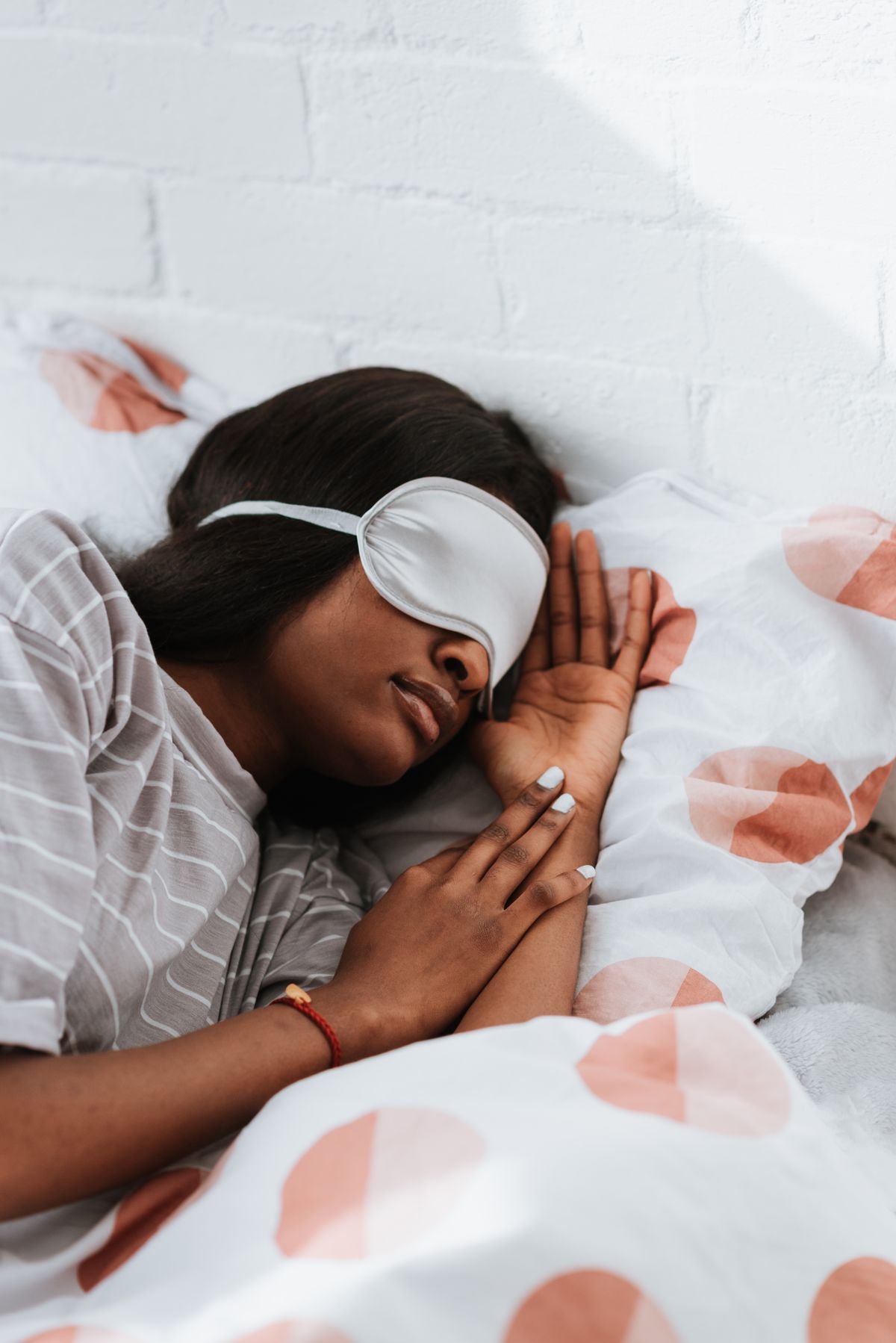
Light is the master signal for your body clock, and even modest light at night can suppress melatonin and lighten your sleep. Make the room as dark as you reasonably can: blackout curtains or blinds, and cover or remove the small glowing lights from electronics. If full darkness is not possible, a comfortable eye mask does the job cheaply. In the morning, do the opposite — throw the curtains open, because bright morning light sets your clock for a better night ahead.
Quiet: steady, not silent
Sudden noises fragment sleep even when they do not fully wake you. Total silence is not the goal; steady, gentle background sound often works better than trying to eliminate every noise. A fan, or soft “white noise”, can mask disruptive sounds like traffic or a snoring partner. Earplugs are a simple, cheap option if noise is a real problem.
The bed itself
You spend a third of your life on it, so comfort counts. A supportive mattress and pillow that suit how you sleep make a real difference, particularly if aches and stiffness have crept in with midlife. There is no single “best” — it is about what feels supportive and comfortable for you. And keep the bed for sleep and intimacy only, so your brain keeps associating it with rest rather than scrolling or working.
What is worth it — and what is not
The basics — cool, dark, quiet, comfortable — deliver almost all the benefit, and most cost little. Sleep trackers and gadgets are optional: some people find a tracker motivating, while others just get anxious about the numbers. If a gadget helps you act on the basics, good; if it adds worry, skip it. Spend on the fundamentals first.
When to see a professional
If your sleep stays poor despite a well-set-up room, see a professional — to check for issues such as sleep apnoea, and to consider cognitive behavioural therapy for insomnia (CBT-I), which has the strongest evidence for lasting improvement.
| Fix | Targets | Cost | Payback |
|---|---|---|---|
| True darkness (blackout curtains or contoured mask) | Light — the strongest wake signal the brain knows | Low | Every night, forever |
| Cool room (~16–19°C) + breathable bedding | Core temperature must FALL to hold deep sleep; heat fragments the night | Low–medium | Biggest win for night sweats |
| Layered covers you can shed one-handed | 2am flush recovery without fully waking | Low | Nightly |
| Phone charging outside the bedroom | Light + the 3am scroll trap | Free | Immediate |
| Quiet (earplugs / white noise if needed) | Noise arousals you do not remember but pay for | Low | Partner-snore insurance |
The studies behind this
The temperature half of this page rests on a body of work summarised by Okamoto-Mizuno and Mizuno (2012, Journal of Physiological Anthropology): heat exposure during sleep increases waking and cuts both deep (slow-wave) and REM sleep, and — crucially for menopausal nights — humidity amplifies the damage. Your body must drop its core temperature to enter and hold deep sleep; a warm, stuffy room fights that physiology all night. Cold, interestingly, disturbs sleep far less than heat when you have adequate bedding — which is why our advice is always “cool room, warm layers”, never the reverse. The NHS insomnia guidance builds its bedroom advice on the same evidence.
The one-evening overhaul we recommend: set the heating to stop an hour before bed, move the phone charger to the hallway, put a folded spare blanket at the foot of the bed instead of a heavier duvet, and hang the darkest curtains you own tonight — perfect ones can come later. Readers consistently tell us the darkness change alone moved their 3am waking within a week; the room-temperature change is what finally tamed the night sweats.
Frequently asked questions
What is the best bedroom temperature for sleep?
Cool is best; many people sleep well at around 18°C, though it varies. A cooler room is especially helpful if night sweats wake you.
How do I stop night sweats waking me?
Cool the room, use breathable natural-fibre bedding and moisture-wicking nightwear, sleep in layers you can shed, and keep a fan and cold water to hand. Treating frequent flushes with a professional can help too.
Does the room really need to be completely dark?
As dark as is practical helps, because even small amounts of light at night can lighten sleep. Blackout blinds or a simple eye mask both work well.
Is white noise good for sleep?
For many people, yes — steady background sound can mask sudden noises that would otherwise fragment sleep. A fan does the same job.
Do I need an expensive mattress or sleep gadgets?
Not necessarily. A comfortable, supportive mattress and pillow matter, but pricier does not automatically mean better, and most gadgets are optional extras rather than essentials.
What is the most important bedroom change?
Getting the temperature down. A cool room supports the body’s natural night-time temperature drop and helps counter night sweats — the biggest single win for menopausal sleep.
Products we think are worth a look
Fit and Healthy Being is reader-supported. Some links below are affiliate links: if you buy through them we may earn a small commission at no extra cost to you. This is education, not medical advice. See our affiliate disclosure.
Breathing for Sleep is an easy, drug-free breathing routine designed to help you fall asleep faster and rest more deeply — a natural companion to a well-set-up bedroom.
Get your free Healthy Ageing Starter Kit
A 21-day meal plan, hormone checklist, walking planner and more — free when you join our newsletter.
Read next: Best Natural Sleep Aids for Menopause.
References and disclaimer
Sources: This article draws on sleep-medicine research on sleep environment, temperature and light, alongside guidance from major menopause bodies. For further evidence-based guidance, see The Menopause Society and Cochrane. It is general information, not medical advice.
This article reflects current, widely accepted sleep-health guidance from major health organisations. It is for general education only and is not a substitute for personalised medical advice. If sleep problems persist, please speak with a qualified professional.