Caffeine, Alcohol and Menopause Sleep: What to Cut and When
Two everyday drinks do more damage to menopausal sleep than almost anything else — and one of them is widely believed to help. Caffeine and alcohol both feel harmless, even soothing, but each disrupts sleep in ways that hit harder once sleep is already fragile. Here is what actually happens, and how to keep both without wrecking your nights.
Key takeaways
- Alcohol helps you fall asleep but backfires later — it fragments the second half of the night and can trigger early waking.
- Alcohol also makes hot flushes and night sweats more likely, a double hit for menopausal sleep.
- Caffeine lingers for hours; an afternoon coffee can still be in your system at bedtime.
- You do not necessarily have to give either up — timing and amount matter most.
- Menopause makes both effects more noticeable, because sleep is already more easily disturbed.
The nightcap paradox
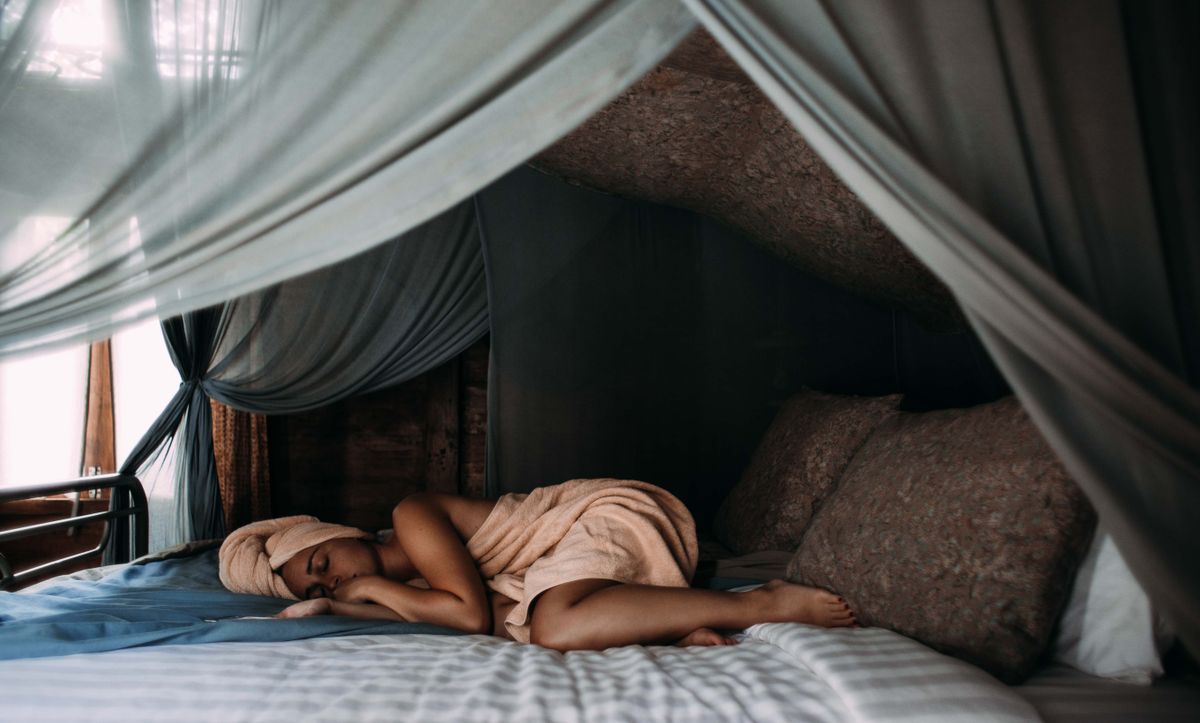
A glass of wine feels like it helps — and in the first hour or two, it does, sedating you to sleep faster. The problem comes later. As your body clears the alcohol overnight, it triggers a “rebound”: lighter, more broken sleep in the second half of the night, with less restorative dream (REM) sleep and more awakenings — often the 3am waking so many women dread. So alcohol does not really give you sleep; it front-loads it and then takes it back with interest. It also widens blood vessels and can set off hot flushes and night sweats, compounding the disruption.
Caffeine’s long tail
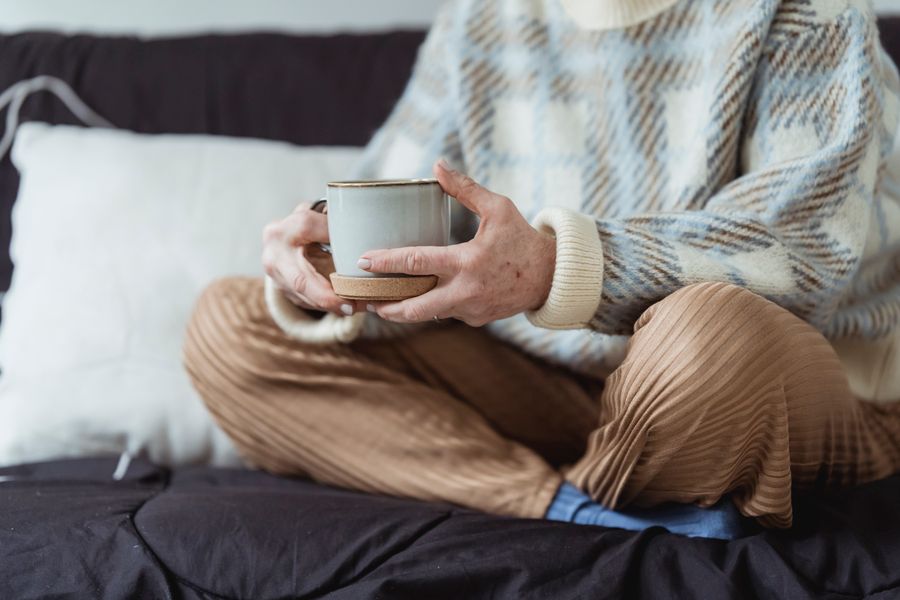
Caffeine is a stimulant that blocks the brain’s “time for sleep” signal, and it hangs around far longer than most people realise — roughly half of it can still be in your body five to six hours after you drink it, sometimes longer. That 4pm pick-me-up can quietly still be at work at 10pm, lengthening the time it takes to fall asleep and lightening your sleep even if you do drop off. Sensitivity varies a lot between people, and it tends to increase with age.
Why menopause raises the stakes
During the menopause transition, sleep is already more easily fragmented — by night sweats, a lighter sleep pattern and a pre-dawn cortisol rise. Add a nightcap or a late coffee and you are stacking disruptors on top of an already-shaky night. The same drink that barely touched your sleep at 35 can unsettle it at 50. That is not a failing; it is a shift worth adjusting to.
How to keep both, sensibly
- Move caffeine to the morning. A simple rule: none after about midday, or early afternoon at the latest if you are less sensitive.
- Watch hidden caffeine in tea, green tea, cola, dark chocolate and some painkillers.
- If you drink alcohol, keep it earlier and lighter, leaving a few hours before bed so your body can clear most of it.
- Have alcohol-free nights and notice the difference in your sleep — it is often the most convincing evidence.
- Pair drinks with food and water, which slows things down.
The experiment worth running
The most persuasive proof is your own. For two weeks, keep caffeine to the morning and take a few evenings off alcohol, then simply notice how you sleep and feel. Many women are surprised how much steadier their nights become — and that first-hand evidence tends to stick better than any advice.
| Drink | Sleep effect | Our working rule | Evidence |
|---|---|---|---|
| Coffee / energy drinks | Cuts sleep even 6 hours out; you underestimate the damage | Last caffeine by ~2pm | Strong (RCT) |
| Tea | Roughly half the caffeine; same rule, gentler curve | Herbal after mid-afternoon | Strong (same mechanism) |
| Alcohol | Faster sleep onset, fragmented second half, hotter nights | None within 3 hours of bed; watch flush trigger | Strong (review) |
| “Nightcap to sleep” | The most common self-medication that backfires | Two alcohol-free weeks tells you the truth | Strong |
The studies behind this
The caffeine cutoff has a precise experiment behind it: Drake and colleagues (2013, Journal of Clinical Sleep Medicine) gave a standard caffeine dose at bedtime, 3 hours before, and 6 hours before — and even the 6-hour dose measurably cut sleep time and quality, largely without people noticing the loss. Hence our 2pm rule rather than a polite “avoid coffee in the evening”. On alcohol, the definitive review is Ebrahim and colleagues (2013, Alcoholism: Clinical and Experimental Research): alcohol shortens the time to fall asleep but disrupts the second half of the night — less REM, more waking — which is precisely the half menopausal sleep already struggles to hold.
When to see a professional
If you rely on alcohol to get to sleep, find it hard to cut back, or your sleep stays poor despite these changes, it is worth talking to a professional. Persistent insomnia responds well to cognitive behavioural therapy for insomnia (CBT-I), and there is no need to struggle on alone.
The honest self-test we suggest: two weeks, caffeine done by 2pm, nothing alcoholic within three hours of bed, and a one-word sleep rating each morning. Most readers who try it report the difference shows up between day 4 and day 8 — and that the afternoon tea was the culprit they defended hardest.
Frequently asked questions
Does alcohol really disrupt sleep?
Yes. It helps you fall asleep but causes a rebound later that fragments the second half of the night and reduces restorative sleep — and it can trigger night sweats too.
Why does wine make me wake at 3am?
As your body clears the alcohol overnight, sleep becomes lighter and more broken in the early hours, which is exactly when many women wake. The nightcap that helped you drop off is often the reason you wake.
How late can I drink coffee?
A good rule is nothing caffeinated after about midday, since roughly half the caffeine can still be in your system five to six hours later. If you are less sensitive, early afternoon may be fine.
Do I have to give up alcohol completely for better sleep?
Not necessarily. Earlier, lighter, and with a few alcohol-free nights is often enough. Timing and amount matter more than total abstinence for most people.
Does caffeine affect me more now than it used to?
It can. Sensitivity varies and tends to increase with age, and menopausal sleep is more easily disturbed, so the same coffee can hit harder than it once did.
What is the single best change for better sleep?
If you drink both, moving caffeine to the morning and having more alcohol-free evenings usually gives the biggest, fastest improvement.
Get your free Healthy Ageing Starter Kit
A 21-day meal plan, hormone checklist, walking planner and more — free when you join our newsletter.
References and disclaimer
Sources: This article draws on sleep-medicine research on alcohol, caffeine and sleep architecture, alongside guidance from major menopause bodies. For further evidence-based guidance, see The Menopause Society and Cochrane. It is general information, not medical advice.
This article reflects current, widely accepted sleep-health guidance from major health organisations. It is for general education only and is not a substitute for personalised medical advice. If sleep problems persist, please speak with a qualified professional.