Gut Health and Menopause: Why Your Digestion Changes and What Helps
The link between your gut and menopause is one of the more surprising areas of recent science. It turns out your gut bacteria and your hormones talk to each other — and looking after your gut may help you feel better through the transition. Here is what the emerging evidence shows, and the simple, food-first ways to support your gut without pricey supplements.
Key takeaways
- Your gut bacteria help process and recycle oestrogen — a system researchers call the “estrobolome”.
- Gut diversity tends to fall after menopause, which may feed into weight, mood and heart-health changes.
- Fibre and a wide variety of plants are the most powerful ways to support your gut.
- Fermented foods add beneficial microbes; probiotic supplements are more hit-and-miss.
- This is emerging science — promising, but not a reason to buy expensive products.
Recipe to try
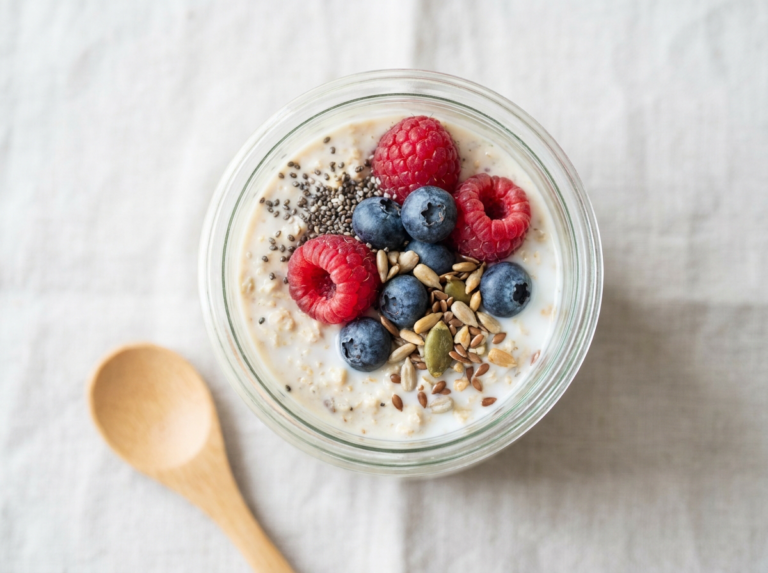
Kefir Overnight Oats with Berries, Chia & Seeds — a gut-loving make-ahead breakfast.
The gut-hormone connection
Here is the fascinating part. A community of gut bacteria — nicknamed the “estrobolome” — produces enzymes that help regulate and recycle oestrogen in the body. When your gut is healthy and diverse, that system works smoothly; when it is not, oestrogen handling can be affected. Research also finds that gut diversity tends to decline around menopause, and a less diverse gut is linked with some of the metabolic changes of this stage. The science is still young, but the message is encouraging: caring for your gut is another lever you can pull.
Why gut health matters more now
Beyond hormones, your gut influences things that all shift in midlife: how you handle blood sugar, inflammation, weight, mood (through the gut-brain connection) and immunity. A well-fed, diverse gut microbiome supports all of these. So while “gut health” is having a marketing moment, the underlying importance is real — and the most effective steps are cheap and food-based.
Feed your gut — fibre and variety
Your gut bacteria feed on fibre, so the single best thing you can do is eat more of it, from as wide a range of plants as possible:
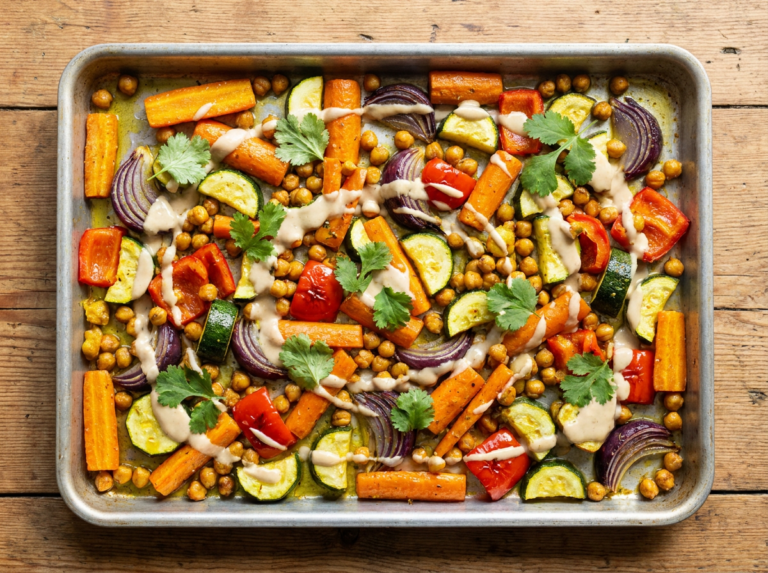
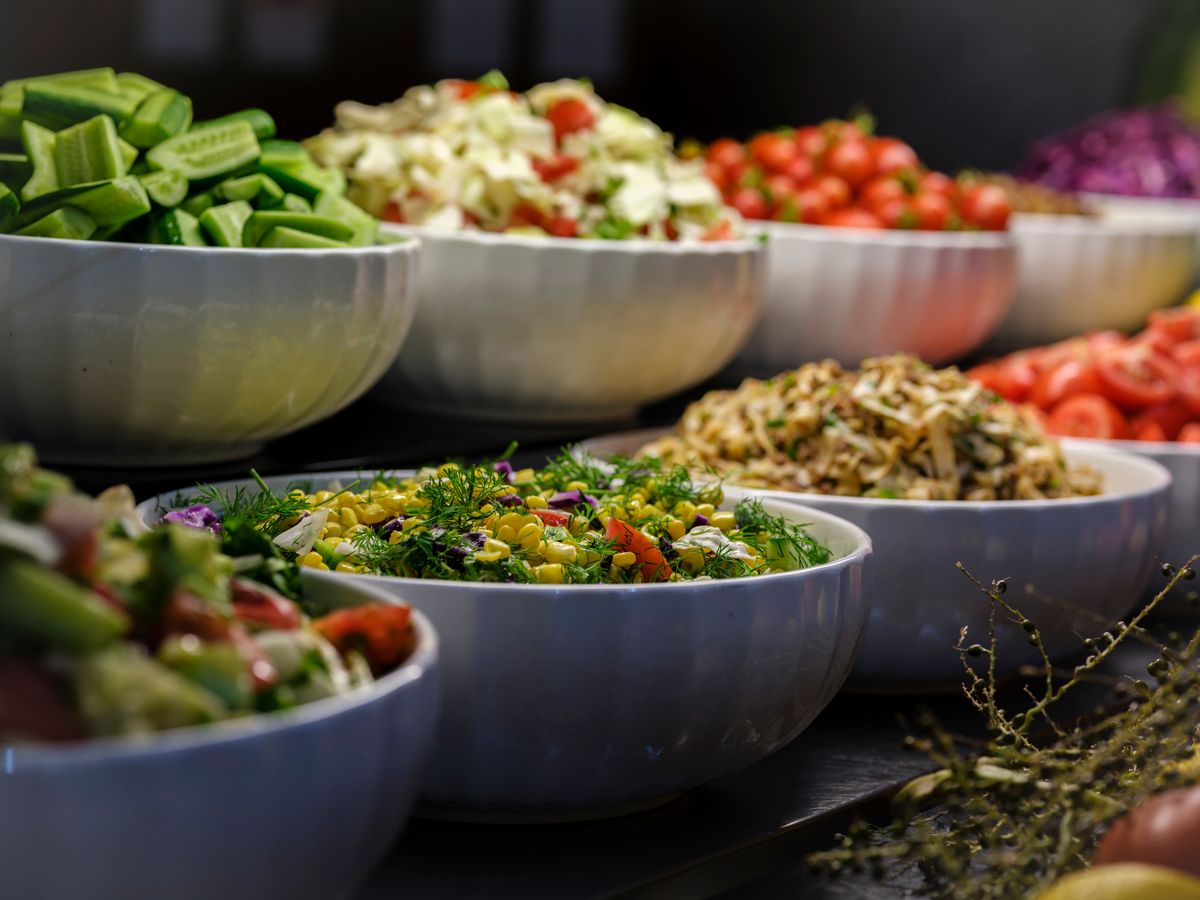
- Aim for variety — a common goal is around 30 different plant foods a week, counting vegetables, fruit, wholegrains, pulses, nuts, seeds and herbs.
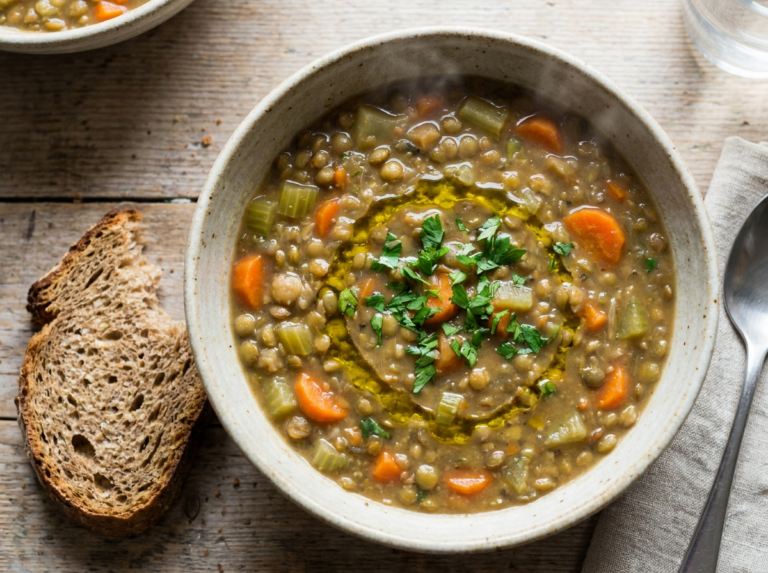
- Include plenty of fibre-rich foods: beans, lentils, oats, wholegrains, and fruit and vegetables with their skins.
- Add fermented foods such as live yoghurt, kefir, sauerkraut, kimchi and miso, which introduce beneficial microbes.
- Go steady if you are not used to fibre — increase gradually and drink enough water to avoid bloating.
What about probiotic supplements?
Probiotic pills are heavily marketed, but the honest picture is mixed. Some strains help some people with specific issues, but results are inconsistent, benefits often stop when you stop taking them, and quality varies widely. For most women, food — especially fibre variety and fermented foods — is a better, cheaper first step than a supplement. If you do want to try a probiotic for a specific reason, it is worth discussing with a professional.
A note on realism
Gut health is a genuinely promising area, but it is also a marketing goldmine, full of expensive powders and tests of questionable value. Keep it simple: more plants, more variety, some fermented foods, and patience. That approach is well supported and costs little — and it happens to be good for the rest of you, too.
When to see a professional
See a professional if you have persistent digestive symptoms — a marked change in bowel habits, bloating that will not settle, pain, or any blood — rather than assuming it is “just menopause” or a gut-health issue. These deserve proper assessment.
| Gut habit | What it does | Evidence | Cost |
|---|---|---|---|
| 30+ different plants a week | Feeds microbial diversity — the strongest predictor of a resilient gut | Strong observational | Grocery swap |
| Fibre to ~25–30g/day, raised slowly | Regularity, fermentation fuel, cholesterol and glucose benefits | Strong | Low |
| Fermented foods daily (yoghurt, kefir, kraut) | Live cultures; linked to higher diversity and lower inflammation markers | Moderate | Low |
| Walking + strength work | Exercise independently shifts the microbiome and speeds transit | Moderate | Free |
| Probiotic capsules | Strain-specific at best; most products are underpowered for the claim on the label | Mixed | Often wasted |
The studies behind this
The oestrogen–gut connection is real physiology with its own name: the estrobolome — the set of gut bacteria that recycle oestrogen back into circulation. Baker and colleagues (2017, Maturitas) laid out the mechanism: certain gut microbes produce an enzyme that reactivates oestrogen for reuse, so as oestrogen falls at menopause the gut both feels the change and influences how much of the remaining oestrogen you keep. It is a two-way street — which is why digestion often shifts at the same time as everything else, and why the diversity-feeding habits above are not generic wellness advice but directly relevant to this life stage.
The plant-count game beats every supplement here: keep a running tally of different plants this week — herbs, spices, seeds and beans all count. Most women score 12–15 on their first honest count; nudging to 30 usually takes one better shop, not a new diet. It is the single gut habit with the best evidence-to-effort ratio we know.
Frequently asked questions
Does menopause affect gut health?
Yes. Gut diversity tends to decline around menopause, and your gut bacteria help regulate oestrogen through a system called the estrobolome. Supporting your gut is another way to support how you feel.
What is the estrobolome?
It is the community of gut bacteria that helps process and recycle oestrogen in the body. A healthy, diverse gut supports this system; a less diverse one may affect how oestrogen is handled.
How can I improve my gut health during menopause?
Eat more fibre from a wide variety of plants — a common goal is around 30 different plant foods a week — and add fermented foods like live yoghurt, kefir and sauerkraut. Food beats supplements for most people.
Should I take a probiotic supplement?
The evidence is mixed and strain-specific, and benefits often stop when you stop taking it. Food — fibre variety and fermented foods — is a better first step for most. Discuss a probiotic with a professional if you have a specific reason.
Do fermented foods really help?
They add beneficial microbes and are a healthy, low-cost addition to your diet. Along with plenty of fibre, they are one of the simplest ways to support gut diversity.
When should I see someone about gut symptoms?
See a professional for persistent changes in bowel habits, bloating that will not settle, pain, or any blood. These should be assessed rather than assumed to be menopausal.
Products we think are worth a look
Fit and Healthy Being is reader-supported. Some links below are affiliate links: if you buy through them we may earn a small commission at no extra cost to you. This is education, not medical advice. See our affiliate disclosure.
The Smoothie Diet is a 21-day whole-food smoothie plan — a gentle, practical way to add more plants, fibre and protein to your day.
Get your free Healthy Ageing Starter Kit
A 21-day meal plan, hormone checklist, walking planner and more — free when you join our newsletter.
References and disclaimer
Sources: This article draws on peer-reviewed research on the gut microbiome, the estrobolome and menopause, alongside general nutrition guidance. For further evidence-based guidance, see Cochrane and World Health Organization. It is general information, not medical advice.
This article reflects current, widely accepted nutrition and digestive-health guidance from major health organisations. It is for general education only and is not a substitute for personalised medical advice. Please speak with a qualified professional about any persistent symptoms.