Anti-Inflammatory Eating for Women Over 45: A Simple Guide
“Anti-inflammatory” is one of the most overused words in wellness — slapped on everything from turmeric lattes to expensive powders. Yet the underlying idea is sound, and it matters after 45, when falling oestrogen and a shifting body tilt you toward more low-grade inflammation. The catch: it is the overall way you eat, not any single “anti-inflammatory” ingredient, that makes the difference. Here is what actually works.
Key takeaways
- Low-grade, chronic inflammation tends to rise with age and after menopause, and is linked to heart disease, joint pain and more.
- No single food is “anti-inflammatory” in a meaningful way — it is the overall dietary pattern that counts.
- A Mediterranean-style way of eating has the strongest evidence for lowering inflammation.
- The biggest wins come from cutting back on ultra-processed foods, not from adding pricey “superfoods”.
- Think pattern and consistency, not turmeric shots.
Recipe to try
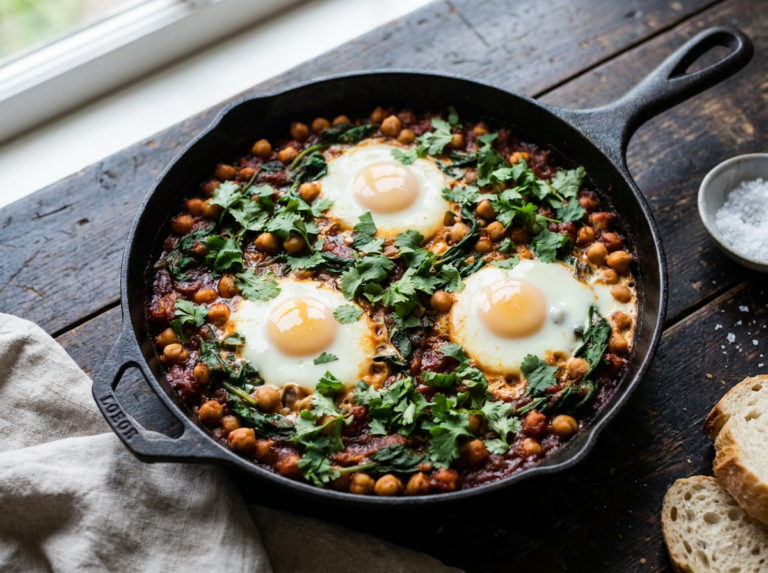
Turmeric-Roasted Vegetable & Chickpea Traybake — a colourful anti-inflammatory traybake.
Why inflammation matters more after 45
Inflammation is not all bad — it is your body’s essential response to injury and infection. The problem is chronic, low-grade inflammation that simmers in the background for years, which is linked to heart disease, type 2 diabetes, joint problems and more. This background inflammation tends to creep up with age, and the loss of oestrogen’s anti-inflammatory effect through menopause can add to it — part of why aches, stiffness and cardiovascular risk rise at this stage. The way you eat is one of the most powerful levers you have over it.
The honest truth about “anti-inflammatory” foods
Here is where marketing gets ahead of science. Individual “anti-inflammatory superfoods” — turmeric, ginger, a particular berry — are wildly oversold. No single food meaningfully lowers whole-body inflammation on its own, and a turmeric latte will not undo an otherwise poor diet. What genuinely works is the overall pattern of eating, sustained over time. The reassuring part is that this pattern is enjoyable, affordable and flexible — not a list of expensive powders.
What actually lowers inflammation: the Mediterranean pattern
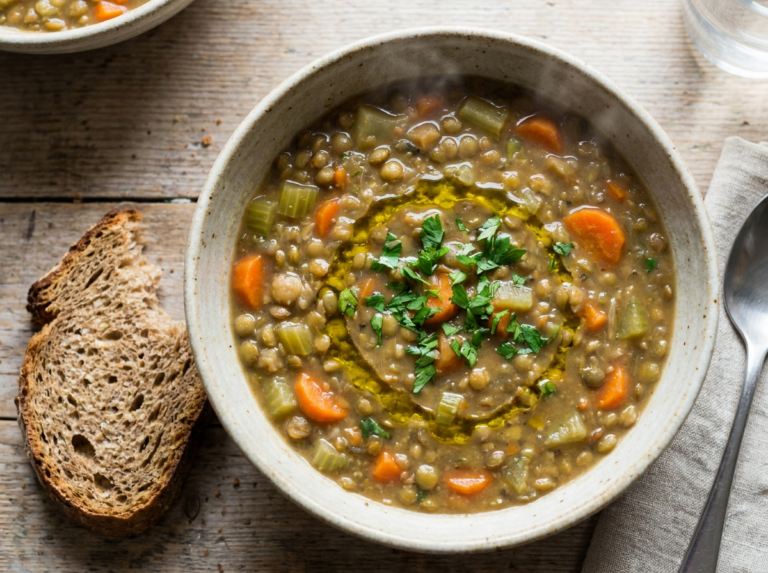
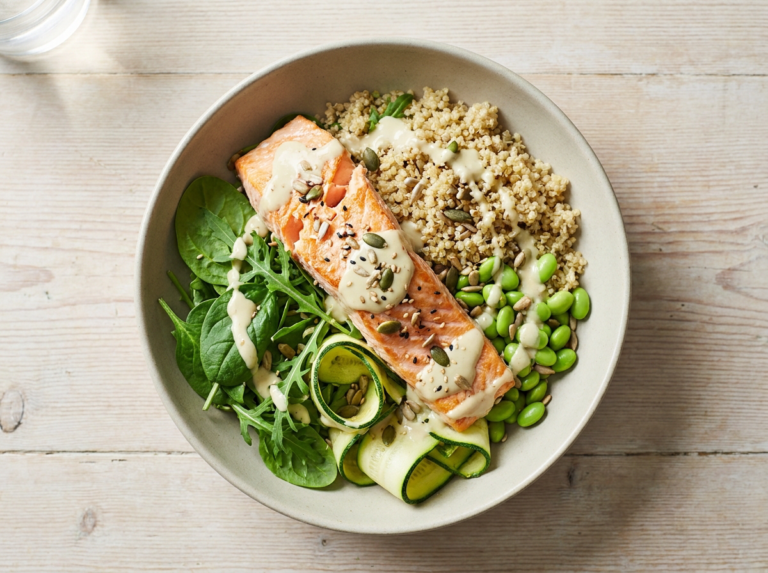
The eating pattern with the strongest anti-inflammatory evidence is the Mediterranean style. In practice that means:
- Plenty of vegetables and fruit, in variety and colour.
- Wholegrains and pulses rather than refined carbohydrates.
- Olive oil as your main fat, plus nuts and seeds.
- Oily fish a couple of times a week, for omega-3 fats.
- Herbs and spices for flavour, and less reliance on salt.
- Modest amounts of red and processed meat, and little sugary or ultra-processed food.
The most powerful change is subtraction
If adding “superfoods” is oversold, the opposite move is underrated: cutting back on ultra-processed foods, sugary drinks and excess refined carbohydrates does more to calm inflammation for most people than any addition. These foods are the ones most linked with inflammation, so easing off them — rather than buying something new — is often the biggest, cheapest win.
Keep it realistic and enjoyable
Anti-inflammatory eating is not a punishing regime; the Mediterranean pattern is one of the most pleasurable ways to eat. You do not need to be perfect or spend a fortune — build meals around vegetables, protein and olive oil, lean on beans and wholegrains, enjoy fish and nuts, and keep ultra-processed food occasional. Done most days, that is genuinely anti-inflammatory, no turmeric shot required.
When to see a professional
See a professional if you have persistent joint pain, swelling, or symptoms of an inflammatory condition, or a diagnosed condition like heart disease or diabetes and want tailored dietary advice. Food is powerful, but it works alongside, not instead of, proper medical care where it is needed.
| Eat more of | Eat less of | Why |
|---|---|---|
| Extra-virgin olive oil, nuts | Processed meats | The PREDIMED pattern’s core swap |
| Oily fish 2×/week | Deep-fried food | Omega-3s vs oxidised oils |
| Vegetables, legumes, berries | Refined flour + sugar spikes | Polyphenols and fibre feed the anti-inflammatory gut |
| Herbs, spices, garlic, onions | Ultra-processed snacks | Free flavour, measurable polyphenols |
| Wine: if you drink, less | “Anti-inflammatory” powders | No powder beats the plate |
The studies behind this
The pattern this article describes is essentially the Mediterranean diet, and it has something almost no diet has: a large randomised trial with hard outcomes. PREDIMED (2018 re-analysis, New England Journal of Medicine) randomised ~7,400 high-risk adults and found the Mediterranean pattern with extra-virgin olive oil or nuts cut major cardiovascular events by around 30% versus a lower-fat control. Chronic low-grade inflammation is one of the main suspected mechanisms — and it is the same biology that oestrogen’s decline unhelpfully nudges at midlife, which is why this way of eating earns its place here rather than as a fad.
Skip the overhaul; run the three-swap week instead: olive oil where butter was, a handful of nuts where the biscuit was, fish where one meat dinner was. That is 80% of the pattern’s benefit machinery with zero recipes learned — and nobody at your table will even notice you changed anything.
Frequently asked questions
What is an anti-inflammatory diet?
It is not a strict diet but an overall pattern — Mediterranean-style eating rich in vegetables, fruit, wholegrains, pulses, olive oil, nuts and oily fish, with little ultra-processed food. The pattern, not any single food, is what lowers inflammation.
Do anti-inflammatory foods like turmeric really work?
Individual anti-inflammatory foods are heavily oversold; none meaningfully lowers whole-body inflammation on its own. Benefits come from the overall pattern of eating, sustained over time.
Why does inflammation increase after menopause?
Low-grade inflammation tends to rise with age, and losing oestrogen’s anti-inflammatory effect can add to it — part of why joint aches and heart risk climb at this stage.
What is the best anti-inflammatory change I can make?
Cutting back on ultra-processed foods, sugary drinks and excess refined carbohydrates usually does more than adding any superfood. Subtraction beats addition for most people.
Is the Mediterranean diet really anti-inflammatory?
It has the strongest evidence of any eating pattern for lowering inflammation, thanks to its plants, olive oil, oily fish and minimal ultra-processed food. It is also enjoyable and sustainable.
Do I need supplements to reduce inflammation?
Usually not. A good overall pattern of eating does the heavy lifting, and most anti-inflammatory supplements are oversold. Discuss any supplement with a professional if you have a specific reason.
Get your free Healthy Ageing Starter Kit
A 21-day meal plan, hormone checklist, walking planner and more — free when you join our newsletter.
References and disclaimer
Sources: This article draws on peer-reviewed research on dietary patterns, the Mediterranean diet and inflammation, alongside general nutrition guidance. For further evidence-based guidance, see Cochrane and The Lancet. It is general information, not medical advice.
This article reflects current, widely accepted nutrition guidance from major health organisations. It is for general education only and is not a substitute for personalised dietary or medical advice. Please speak with a qualified professional about your individual needs.