Protein After 40: How Much You Really Need — and Why It Matters
If there is one dietary change that pays off most for women over 40, it is eating enough protein. Not because protein is a magic nutrient, but because it does the one thing midlife bodies most need: it protects muscle. Here is how much you actually need, why it matters more now, and how to get it without overhauling your life.
Key takeaways
- From your forties you steadily lose muscle, and low protein speeds that loss — protecting muscle is the real reason protein matters now.
- Many women eat too little protein, especially at breakfast.
- A common evidence-based target is around 1.2 to 1.6 grams of protein per kilogram of body weight per day.
- Spreading protein across meals helps your body use it better than loading it all at dinner.
- Whole foods first; protein powders are a convenience, not a necessity.
Why protein matters more after 40
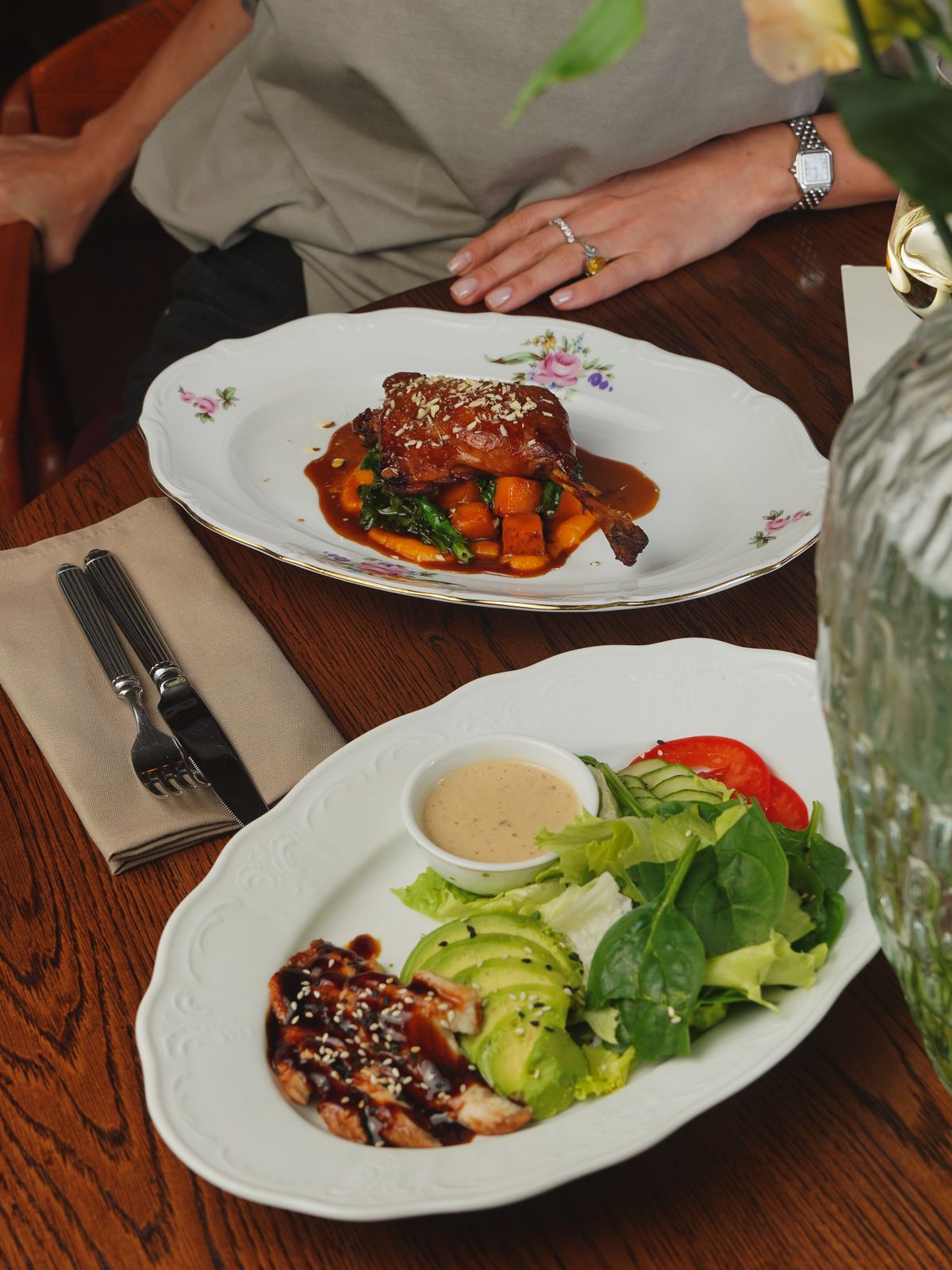
Muscle is not just for strength — it keeps your metabolism up, steadies blood sugar, protects your bones and keeps you independent as you age. But from midlife, muscle naturally declines, and falling oestrogen accelerates it. Protein is the raw material your body uses to maintain and rebuild muscle, and it becomes a little harder to use efficiently with age — so you need enough of it to keep up. Eating well short of your needs quietly costs you muscle you will wish you had kept.
How much do you actually need?
General guidance for healthy adults is often set low, aimed at preventing deficiency rather than protecting midlife muscle. Many experts suggest women in this stage aim higher — commonly around 1.2 to 1.6 grams of protein per kilogram of body weight a day. For a woman of 70 kg, that is roughly 85 to 110 grams daily. It sounds like a lot until you spread it out. If you have kidney problems, check with a professional first, as very high intakes may not suit everyone.
| Situation | Daily target | For a 70kg woman | Source of target |
|---|---|---|---|
| Official minimum (RDA) | 0.8 g/kg | ~56g | Set to prevent deficiency, not to age well |
| Healthy over-40s (our working target) | 1.0–1.2 g/kg | ~70–84g | PROT-AGE expert consensus |
| Plus regular strength training | 1.2–1.6 g/kg | ~84–112g | Sports-nutrition consensus range |
| Per meal, for muscle upkeep | 25–30g protein | 3 meals ≈ target | Muscle protein synthesis studies |
The studies behind this
The 1.0–1.2 g/kg figure is not ours — it is the PROT-AGE Study Group’s evidence-based recommendation (Bauer and colleagues, 2013, Journal of the American Medical Directors Association), the most widely used expert consensus on protein needs in ageing. The case for spreading intake across meals comes from work like Mamerow and colleagues (2014, Journal of Nutrition), where an even protein distribution across breakfast, lunch and dinner produced ~25% higher 24-hour muscle protein synthesis than the typical skewed pattern — same total protein, different timing, different result.
Spread it across the day
Your body can only use so much protein for muscle-building at once, so three meals with 25 to 35 grams of protein each works better than a tiny breakfast and a big evening meal. Breakfast is where most women fall short — toast and cereal are low in protein — so it is the highest-value meal to upgrade.
Where to get it
Protein is not only meat:
- Animal sources: eggs, dairy (Greek yoghurt, cottage cheese), fish, poultry, lean meat.
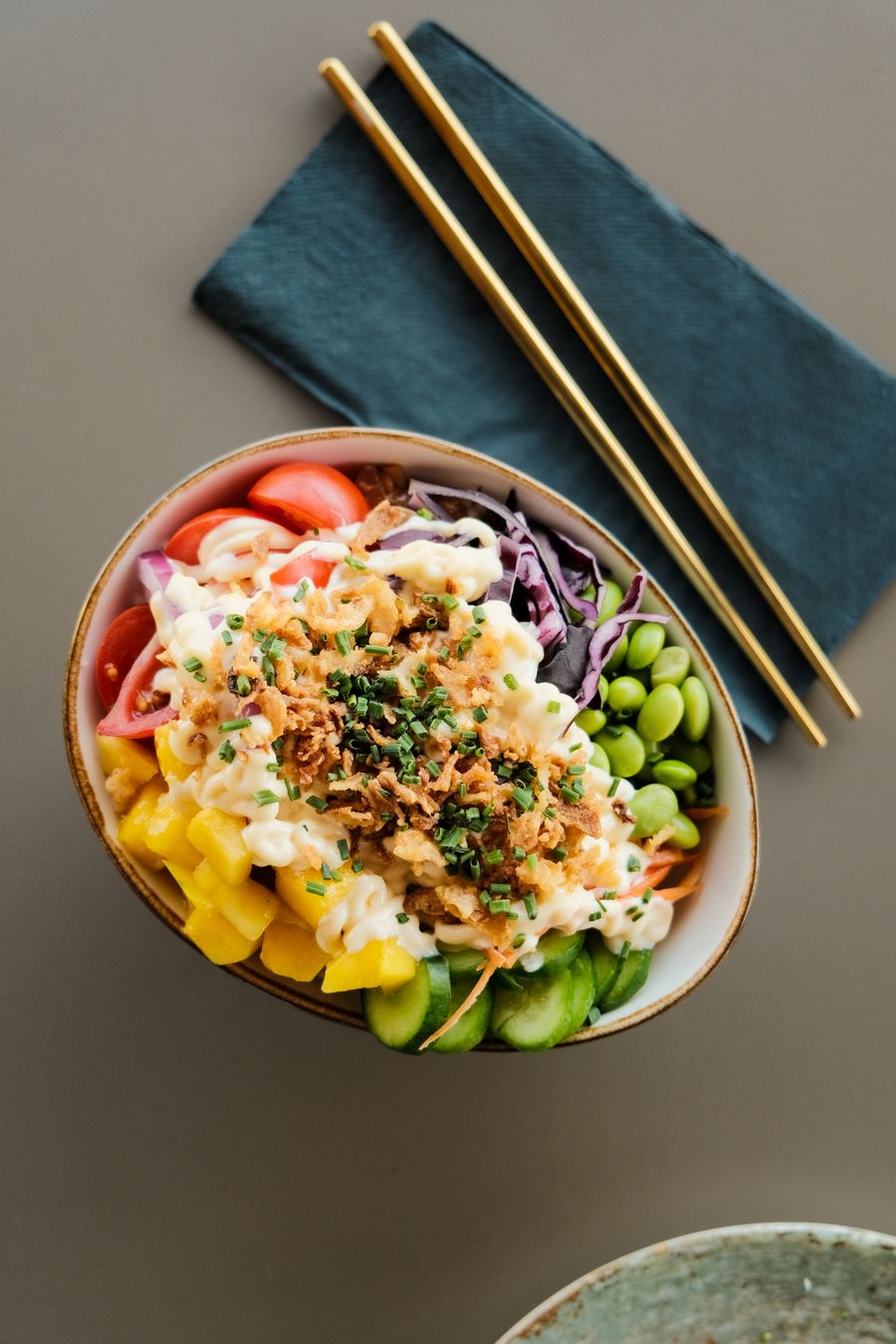
- Plant sources: beans, lentils, chickpeas, tofu, tempeh, edamame, nuts and seeds.
- Quick wins: a couple of eggs, a pot of Greek yoghurt, a tin of beans, or a handful of nuts each add meaningful protein.
Aim to include a protein source at every meal, and treat it as the anchor you build the plate around.
The audit we suggest before changing anything: write down yesterday’s breakfast and count its protein honestly. For most women it is 5–12g — toast, cereal, fruit, a milky coffee — while dinner carries 40g. You do not need to eat more overall so much as move it earlier: Greek yoghurt instead of toast, eggs a few mornings, a scoop of powder in the smoothie. Fix breakfast and the daily target largely fixes itself.
Do you need protein powder?
Protein powders are convenient, not magical. They are a useful way to top up if you struggle to hit your target from food — a scoop in a smoothie after strength training, say — but they are not required, and they are not better than food. Choose a simple one you like, and treat it as a supplement to real meals, not a replacement for them.
When to check with a professional
Protein is safe and beneficial for most people, but check with a professional first if you have kidney disease or another condition affecting how you handle protein. And remember protein works best alongside strength training — the two together are what protect muscle.
Frequently asked questions
How much protein should a woman over 40 eat?
A commonly suggested target is around 1.2 to 1.6 grams per kilogram of body weight a day — roughly 85 to 110 grams for a 70 kg woman. Spreading it across meals helps your body use it.
Why do I need more protein as I get older?
Because muscle declines with age and falling oestrogen speeds it up, and your body uses protein a little less efficiently. Enough protein protects the muscle that supports your metabolism, bones and independence.
Is it hard to get enough protein without meat?
Not at all. Beans, lentils, tofu, tempeh, dairy, eggs, edamame, nuts and seeds all provide protein; you may just need to be a bit more deliberate about including a source at each meal.
When is the best time to eat protein?
Spread through the day, with a decent amount at each meal — around 25 to 35 grams — rather than saved for dinner. Breakfast is usually the meal most worth upgrading.
Do I need a protein shake?
No. Powders are a handy top-up if you fall short from food, but they are not necessary or superior. Real meals should do most of the work.
Can too much protein be harmful?
For healthy people, sensible higher intakes are fine. If you have kidney disease or another relevant condition, check with a professional before increasing protein a lot.
Products we think are worth a look
Fit and Healthy Being is reader-supported. Some links below are affiliate links: if you buy through them we may earn a small commission at no extra cost to you. This is education, not medical advice. See our affiliate disclosure.
The Smoothie Diet is a 21-day whole-food smoothie plan — a gentle, practical way to add more plants, fibre and protein to your day.
Get your free Healthy Ageing Starter Kit
A 21-day meal plan, hormone checklist, walking planner and more — free when you join our newsletter.
References and disclaimer
Sources: This article draws on peer-reviewed research on protein, muscle preservation and healthy ageing, alongside nutrition guidance. For further evidence-based guidance, see World Health Organization and Cochrane. It is general information, not medical advice.
This article reflects current, widely accepted nutrition guidance from major health organisations. It is for general education only and is not a substitute for personalised dietary or medical advice. Please speak with a qualified professional about your individual needs.