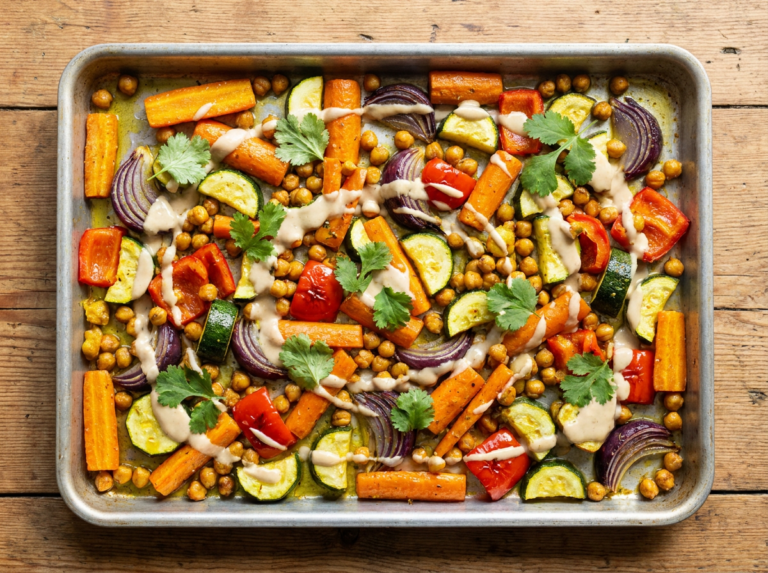
Fibre After 40: Why You Need More and How to Get It
Fibre is the least glamorous nutrient there is — no one sells “fibre shots” or splashes it across supplement labels. Yet for women over 40 it quietly does more good than almost anything else on your plate: steadier blood sugar, better gut health, lower cholesterol, easier weight control and smoother digestion. Most of us fall well short. Here is why fibre deserves star billing, and how to eat more without discomfort.
Key takeaways
- Fibre supports blood sugar, gut health, cholesterol, weight and digestion — a remarkable amount from one nutrient.
- Most women eat far less than the recommended amount, missing out on those benefits.
- There are two types — soluble and insoluble — and a varied plant-based diet gives you both.
- All of this matters more after 40, when blood sugar, gut diversity and heart risk shift.
- Increase fibre gradually, with plenty of water, to avoid bloating.
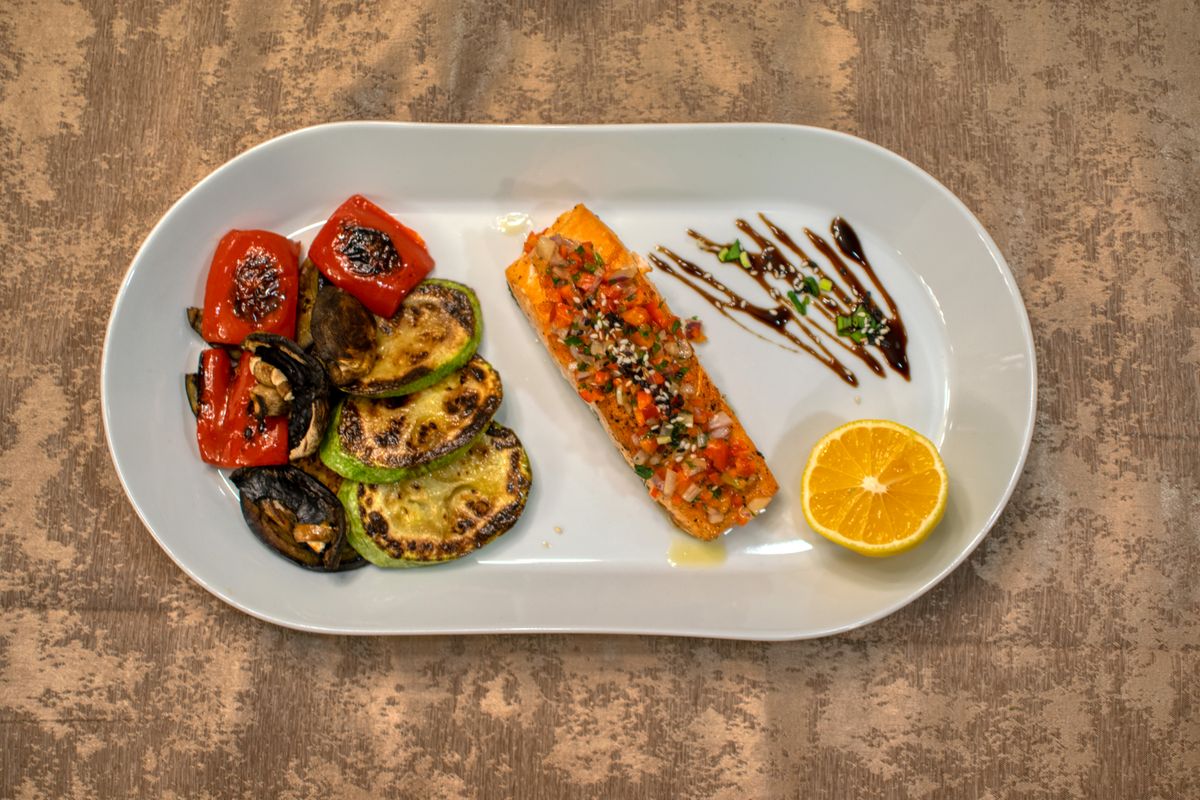
Recipe to try
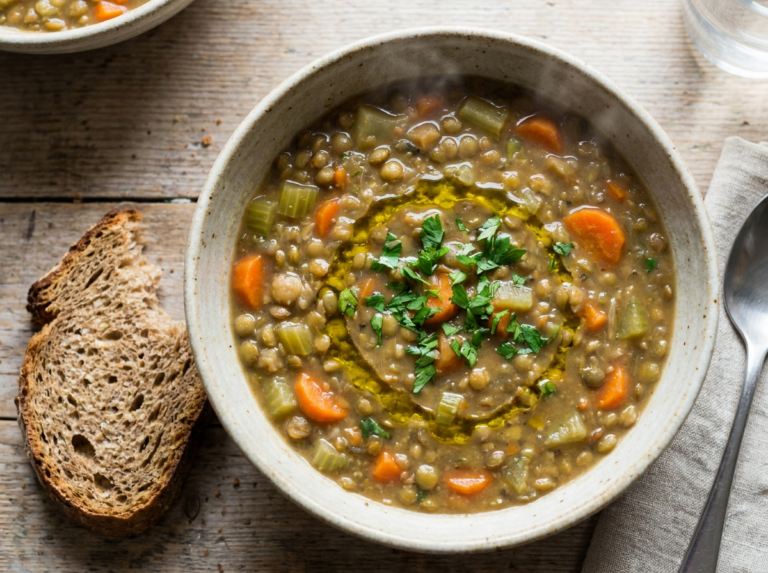
Hearty Lentil & Vegetable Soup — a high-fibre, freezer-friendly soup.
Why fibre is quietly a star
Fibre is the part of plants your body cannot digest — and that is exactly why it is so useful. It slows how quickly sugar enters your blood (steadying energy and cravings), feeds the helpful bacteria in your gut, helps lower cholesterol, adds bulk that keeps you full and helps with weight, and keeps digestion regular. Few single changes to your diet pay off in so many ways at once, and after 40 — when blood sugar control, gut diversity and heart risk all shift — each of those benefits matters more.
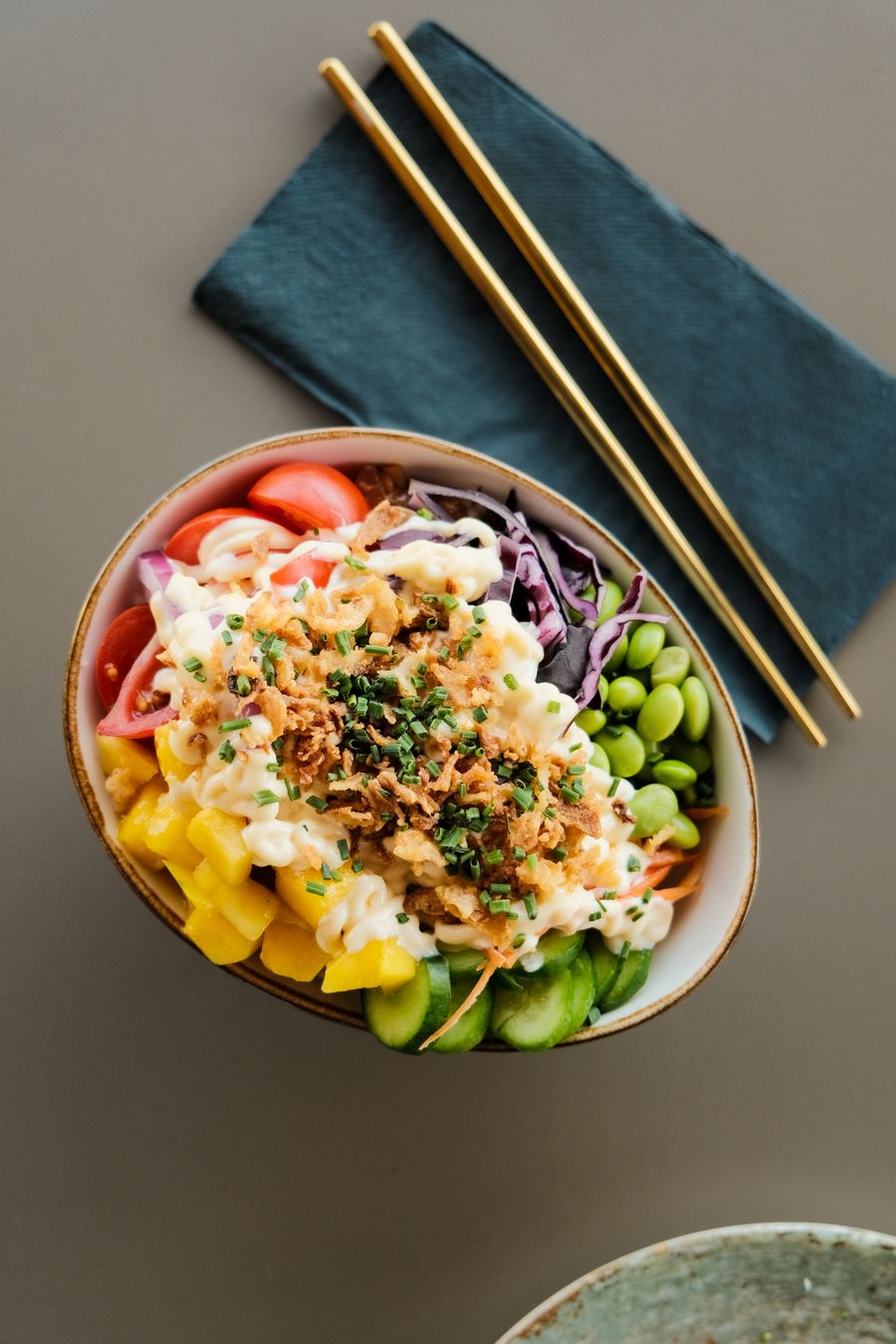
The two types of fibre
You will see fibre split into two kinds, and you need both:
- Soluble fibre dissolves into a gel that slows digestion, steadies blood sugar and helps lower cholesterol. Find it in oats, beans, lentils, apples, pears and flaxseed.
- Insoluble fibre adds bulk and keeps things moving, easing constipation. Find it in wholegrains, wheat bran, nuts, seeds and the skins of fruit and vegetables.
You do not need to count or track the two — a varied diet built on whole plant foods naturally gives you a healthy mix.
Most women get too little
Most women eat well under the amount of fibre recommended for good health — often little more than half. Modern eating is partly to blame: refined and ultra-processed foods have had much of their fibre stripped out. The gap matters, because it is exactly the benefits above — steady blood sugar, a healthy gut, good cholesterol — that you miss when fibre is low.
Easy ways to eat more
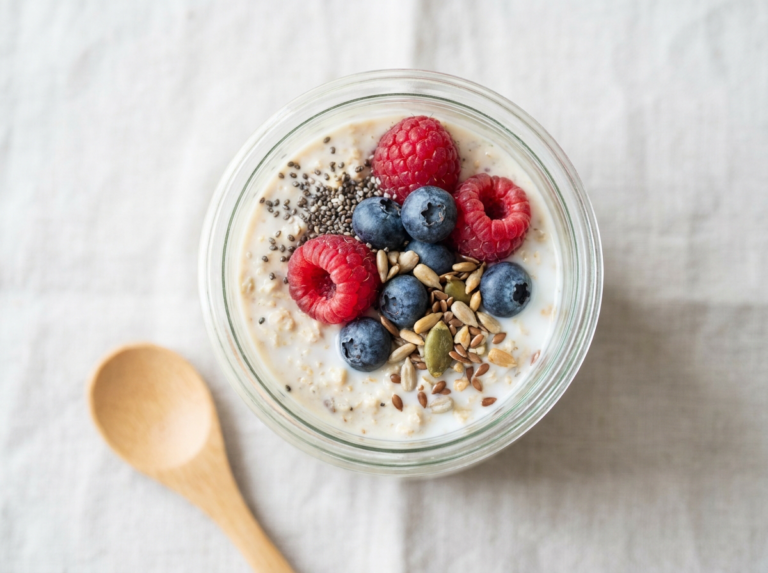
- Start the day with fibre: oats, wholegrain toast, or yoghurt with fruit and seeds.
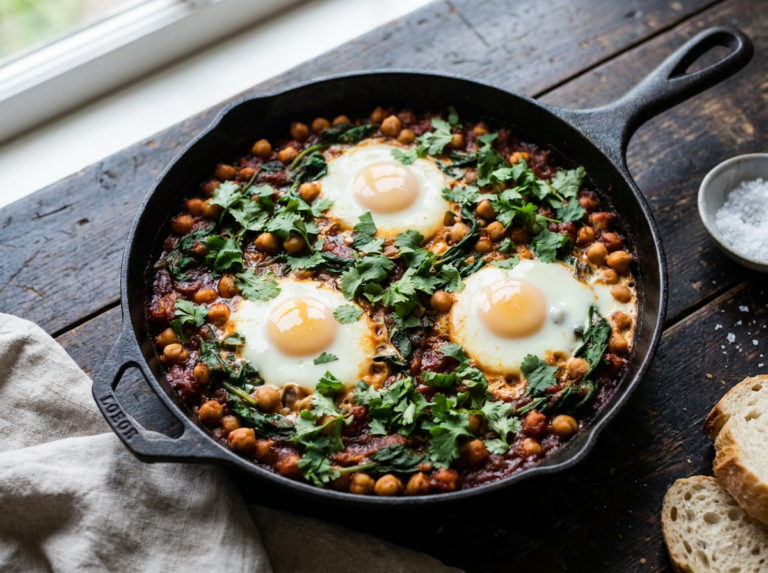
- Lean on beans, lentils and chickpeas — add them to soups, salads, stews and sauces.
- Choose wholegrain versions of bread, pasta and rice.
- Keep the skins on fruit and vegetables where you can.
- Snack on fruit, nuts or seeds instead of refined snacks.
- Add a spoon of ground flaxseed or chia to porridge, yoghurt or smoothies.
Go steady to avoid bloating
One honest caution: if you are not used to much fibre, do not double it overnight. A sudden jump can cause bloating and wind while your gut adjusts. Increase it gradually over a couple of weeks, and drink plenty of water, which fibre needs to do its job comfortably. Your gut adapts, and any early bloating usually settles.
When to see a professional
See a professional if you have persistent digestive symptoms, a big unexplained change in bowel habits, or a gut condition, before making major changes — some conditions need a tailored approach to fibre. Otherwise, more plants is a safe and powerful goal for almost everyone.
| Food | Fibre per typical serve | Easy upgrade |
|---|---|---|
| Lentils / beans (cooked, 1 cup) | ~12–15g | Half-swap the mince; add to soups |
| Chia or ground flax (2 tbsp) | ~7–10g | Stir into yoghurt or oats |
| Pear or apple, skin on | ~5g | The skin is half the point |
| Oats (half cup dry) | ~4–5g | Overnight oats beat toast |
| Wholegrain swap (bread, rice, pasta) | +2–4g per swap | Same meal, better carb |
The studies behind this
The strongest case for fibre in one citation: Reynolds and colleagues (2019, The Lancet) — a commissioned series of systematic reviews and meta-analyses covering nearly 250 studies — found people with the highest fibre intakes had 15–30% lower all-cause mortality, cardiovascular deaths, type 2 diabetes and bowel cancer than the lowest, with benefits rising up to and beyond 25–29g a day. Very few nutrition findings are this consistent across trial and cohort evidence, which is why fibre sits near the top of our “boring but proven” list.
Raise it slowly — the classic mistake is doubling fibre overnight and blaming the beans forever after. Add one high-fibre element every three or four days, drink more water alongside, and give your gut two weeks to renegotiate. The women who stick with it are the ones who upgraded breakfast first: oats, chia, and fruit with skin does a third of the day’s target before 9am.
Frequently asked questions
Why is fibre important after 40?
It steadies blood sugar, supports gut health, helps lower cholesterol, keeps you full and aids digestion — all of which matter more after 40 as blood sugar, gut diversity and heart risk shift. Few nutrients do so much.
How much fibre do I need?
Most women eat well under the recommended amount — often around half. Rather than counting grams, aim to build meals around vegetables, fruit, wholegrains, pulses, nuts and seeds, and you will naturally get more.
What is the difference between soluble and insoluble fibre?
Soluble fibre (in oats, beans, apples) forms a gel that steadies blood sugar and lowers cholesterol; insoluble fibre (in wholegrains, wheat bran, skins) adds bulk and keeps digestion regular. A varied plant-based diet gives you both.
What foods are highest in fibre?
Beans, lentils and chickpeas, wholegrains, oats, nuts and seeds, and fruit and vegetables with their skins are all excellent. Pulses are among the richest and most versatile sources.
Why does more fibre make me bloated?
A sudden increase can cause bloating and wind while your gut adjusts. Increase fibre gradually over a couple of weeks and drink plenty of water, and it usually settles.
Should I take a fibre supplement?
Food is the best source, because it brings other nutrients too. A supplement can help in specific situations, but for most women eating more whole plant foods is the better first step — discuss a supplement with a professional if needed.
Get your free Healthy Ageing Starter Kit
A 21-day meal plan, hormone checklist, walking planner and more — free when you join our newsletter.
References and disclaimer
Sources: This article draws on peer-reviewed research on dietary fibre and metabolic, gut and heart health, alongside general nutrition guidance. For further evidence-based guidance, see World Health Organization and Cochrane. It is general information, not medical advice.
This article reflects current, widely accepted nutrition guidance from major health organisations. It is for general education only and is not a substitute for personalised dietary or medical advice. Please speak with a qualified professional about your individual needs.