Blood Sugar Balance After 40: Why It Matters and How to Steady It
Blood sugar is having a moment — glucose monitors, “balancing” hacks, and endless charts. For women over 40 there is a real reason to pay attention: falling oestrogen makes your body a little less sensitive to insulin, so blood sugar can become harder to keep steady. But you do not need gadgets to manage it. Here is what changes, and the simple habits that genuinely help.
Key takeaways
- Falling oestrogen reduces insulin sensitivity, so blood sugar can swing more easily after 40.
- Unsteady blood sugar can worsen energy dips, cravings, weight gain and even some menopause symptoms.
- Protein, fibre, and how you build and order your meals all steady blood sugar.
- Movement — especially a short walk after meals — is one of the most effective, underused tools.
- You do not need a glucose monitor; the basics work for almost everyone.

Recipe to try
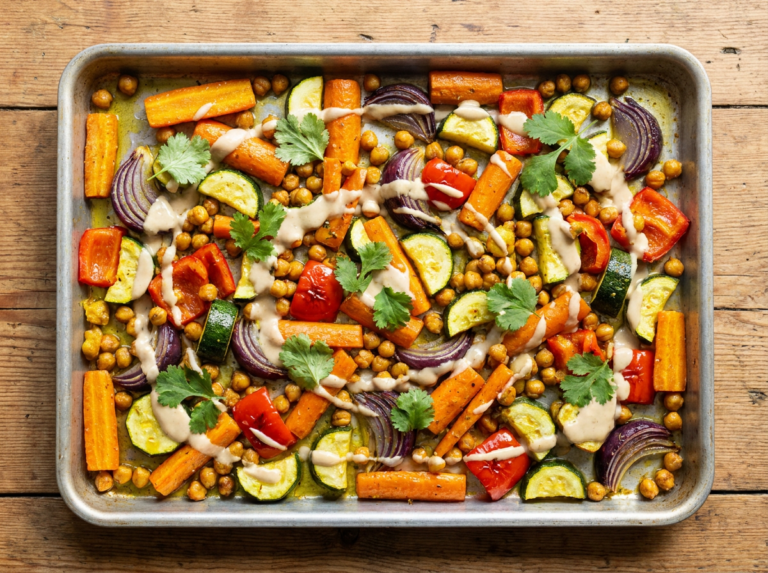
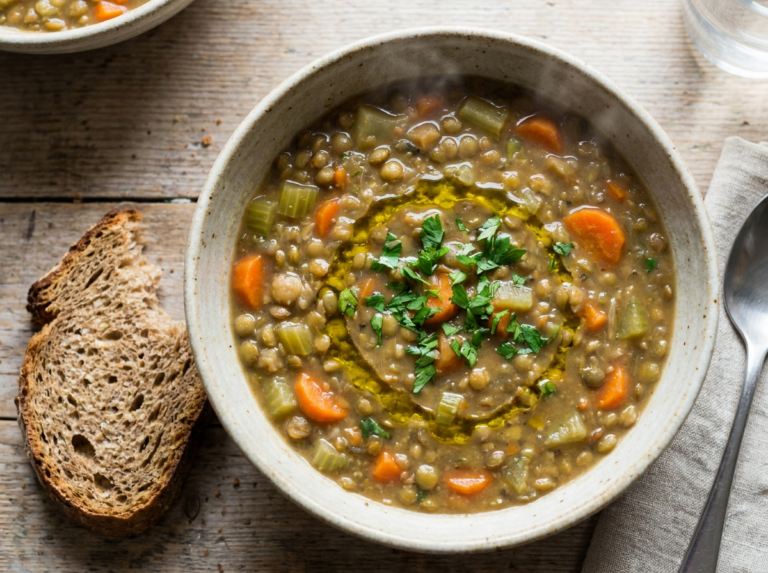
One-Pan Chickpea, Spinach & Tomato with Baked Eggs — a savoury, blood-sugar-steady one-pan.
Why blood sugar gets harder to manage now
Oestrogen helps your body respond well to insulin, the hormone that ushers sugar out of your blood and into your cells. As oestrogen falls through menopause, cells can become a little more resistant to insulin, so blood sugar tends to run higher and swing more. Combined with the muscle loss and belly-fat shift of this stage, it nudges you toward the very changes — weight gain, energy crashes, and higher long-term risk of type 2 diabetes — that steadier blood sugar helps prevent. The reassuring part: it responds very well to everyday habits.
Why steady blood sugar feels better
Beyond the long game, steadier blood sugar simply feels better day to day. Big spikes and crashes drive energy slumps, brain fog, irritability, and cravings for quick carbohydrates — and some women find that sharp swings can even trigger or worsen hot flushes. Smoothing those peaks and troughs often brings noticeably steadier energy and mood, and fewer cravings, within days.

How to steady your blood sugar
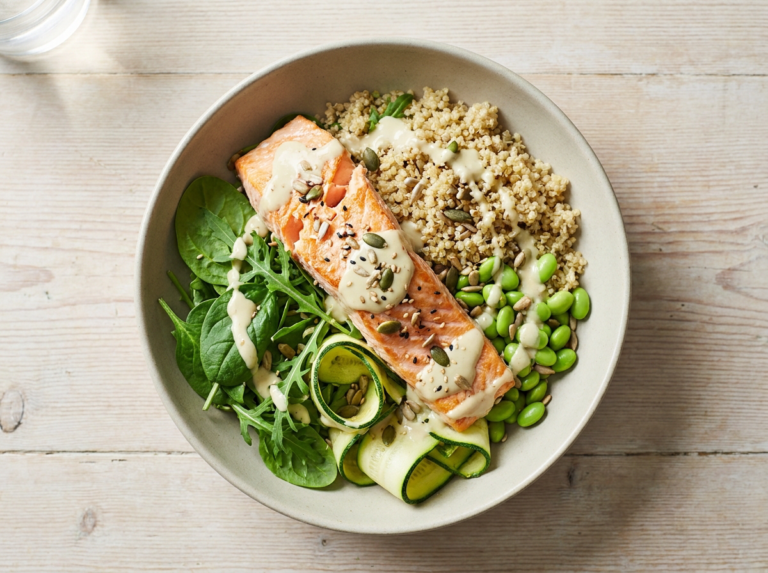
- Anchor meals with protein — it blunts the blood-sugar rise and keeps you full.
- Include fibre from vegetables, pulses and wholegrains, which slows how fast sugar enters your blood.
- Mind the order and pairing: eating vegetables and protein alongside or before carbohydrates causes a gentler rise than carbohydrates alone.
- Choose wholegrains over refined, and treat sugary drinks and sweets as occasional, since liquid sugar spikes fastest.
- Move after meals: even a 10-minute walk helps your muscles mop up glucose and blunts the spike.
- Protect sleep and manage stress, both of which affect blood sugar more than people expect.
| Habit | What it does to glucose | Evidence | Cost |
|---|---|---|---|
| 10–15 min walk after meals | Blunts the post-meal spike; working muscle draws in glucose without insulin | Strong — randomised trials | Free |
| Vegetables & protein before starch | Meaningfully smaller spike from the identical plate | Moderate — controlled food-order studies | Free |
| Two strength sessions weekly | More muscle = more glucose storage; better insulin sensitivity | Strong | Free–low |
| Psyllium fibre before meals | Slows carbohydrate absorption; modestly lower post-meal glucose | Moderate — meta-analyses | Low |
| 7+ hours of sleep | Short sleep measurably worsens next-day insulin sensitivity | Strong | Free |
The studies behind this
The food-order effect is not folklore: Shukla and colleagues (2015, Diabetes Care) fed people the identical meal in different orders and found eating vegetables and protein before carbohydrate cut the post-meal glucose spike substantially. For walking, Reynolds and colleagues (2016, Diabetologia) showed — in people with type 2 diabetes — that short walks taken straight after meals lowered post-meal glucose more than the same amount of walking done at other times of day; the after-meal timing is the transferable lesson. And the landmark Diabetes Prevention Program (2002, New England Journal of Medicine) found structured lifestyle change — modest weight loss, activity most days — cut progression from pre-diabetes to diabetes by 58%, outperforming the medication arm of the same trial.
Do you need a glucose monitor?
Continuous glucose monitors are marketed hard to people without diabetes, and they can be interesting — seeing your own spikes is motivating for some. But for most healthy women they are not necessary, can cause needless anxiety over normal fluctuations, and the general lessons they teach (eat protein and fibre, walk after meals, go easy on sugary drinks) are already well known. If you are curious and can afford it, fine — but the basics work without one, and your money is usually better spent on good food.
The routine we would actually start with: pick your biggest-carb meal of the day, eat it veg-and-protein-first, and take a 12-minute walk afterwards — same meal, same week, notice the difference in the 4pm slump. That one change survives holidays, travel and low motivation better than any meal plan we have ever seen, which is precisely why it works: consistency beats elegance.
A note on diabetes risk
Because insulin resistance rises after menopause, this is a sensible time to know your numbers. A simple blood test (such as HbA1c) can flag rising blood sugar early, when lifestyle changes are most effective. If you have a family history of type 2 diabetes, carry weight around the middle, or notice symptoms like increased thirst or tiredness, it is worth asking a professional for a check.
When to see a professional
See a professional if you have symptoms of high blood sugar (increased thirst, frequent urination, unusual tiredness), a family history of diabetes, or simply want your blood sugar checked. Caught early, blood-sugar problems are very manageable.
Frequently asked questions
Does menopause affect blood sugar?
Yes. Falling oestrogen reduces insulin sensitivity, so blood sugar tends to run higher and swing more after menopause, which is one reason type 2 diabetes risk rises at this stage.
How can I balance my blood sugar naturally?
Anchor meals with protein and fibre, eat vegetables and protein alongside or before carbohydrates, choose wholegrains, go easy on sugary drinks, walk after meals, and protect sleep. These steady blood sugar without any gadgets.
Does a walk after eating really help?
Yes — even 10 minutes helps your muscles take up glucose and blunts the post-meal spike. It is one of the simplest, most effective habits there is.
Do I need a continuous glucose monitor?
For most healthy women, no. They can be motivating but often cause anxiety over normal fluctuations, and the lessons they teach are already well known. The basics work without one.
Can blood sugar swings cause hot flushes?
Some women find that sharp blood-sugar swings can trigger or worsen flushes, so steadying blood sugar may help. It is not the whole story of flushes, but it is a worthwhile lever.
Should I get my blood sugar tested?
It is sensible around menopause, especially with a family history of diabetes or weight around the middle. A simple HbA1c test flags rising blood sugar early, when changes work best.
Products we think are worth a look
Fit and Healthy Being is reader-supported. Some links below are affiliate links: if you buy through them we may earn a small commission at no extra cost to you. This is education, not medical advice. See our affiliate disclosure.
The Smoothie Diet is a 21-day whole-food smoothie plan — a gentle, practical way to add more plants, fibre and protein to your day.
Get your free Healthy Ageing Starter Kit
A 21-day meal plan, hormone checklist, walking planner and more — free when you join our newsletter.
References and disclaimer
Sources: This article draws on peer-reviewed research on insulin sensitivity, blood sugar and menopause, alongside general nutrition and diabetes-prevention guidance. For further evidence-based guidance, see World Health Organization and Cochrane. It is general information, not medical advice.
This article reflects current, widely accepted nutrition guidance from major health organisations. It is for general education only and is not a substitute for personalised dietary or medical advice. Please speak with a qualified professional about your individual needs.