Hormone-Friendly Eating After 40: A Simple Plate Method and Foods to Favour
“Hormone-friendly eating” is a phrase that promises more than any diet can deliver — no plate of food rebalances your hormones. But the way you eat genuinely shapes your energy, weight, mood and long-term health through menopause, and a few sensible principles do far more than any “special” menopause diet. Here is what actually helps, and the hype to skip.
Key takeaways
- No food or diet rebalances your reproductive hormones — but good eating supports energy, weight, mood and long-term health.
- The core principles are simple: enough protein, plenty of fibre and plants, and steadier blood sugar.
- Phytoestrogens in foods like soy are mild and a healthy addition, but not a proven treatment for symptoms.
- It is the overall pattern that matters, not any single “superfood”.
- Eat well most of the time, and do not chase perfection.
Recipe to try
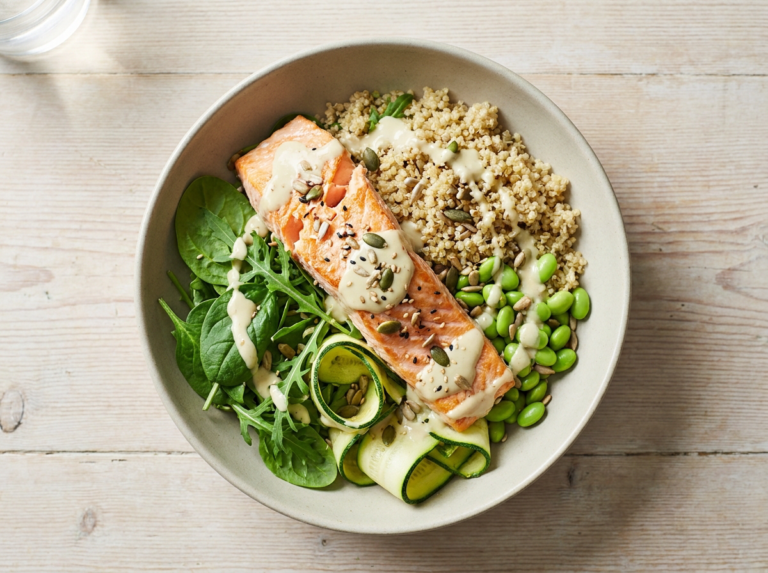
Salmon, Quinoa & Greens Bowl with Lemon-Tahini — a balanced hormone-friendly bowl, ready in about 35 minutes.
The honest truth about “hormone-friendly” food
Let us clear this up first. Your ovaries set your hormone levels, and no meal overrides that. What food can do — and it is a lot — is influence your blood sugar, your weight, your gut, your energy and your risk of the conditions that become more likely after menopause. So “hormone-friendly eating” is really just “eating in a way that supports a midlife body”. That is less exciting than a special menopause diet, and far more useful.
The principles that actually matter
- Prioritise protein at each meal to protect muscle and keep you full.
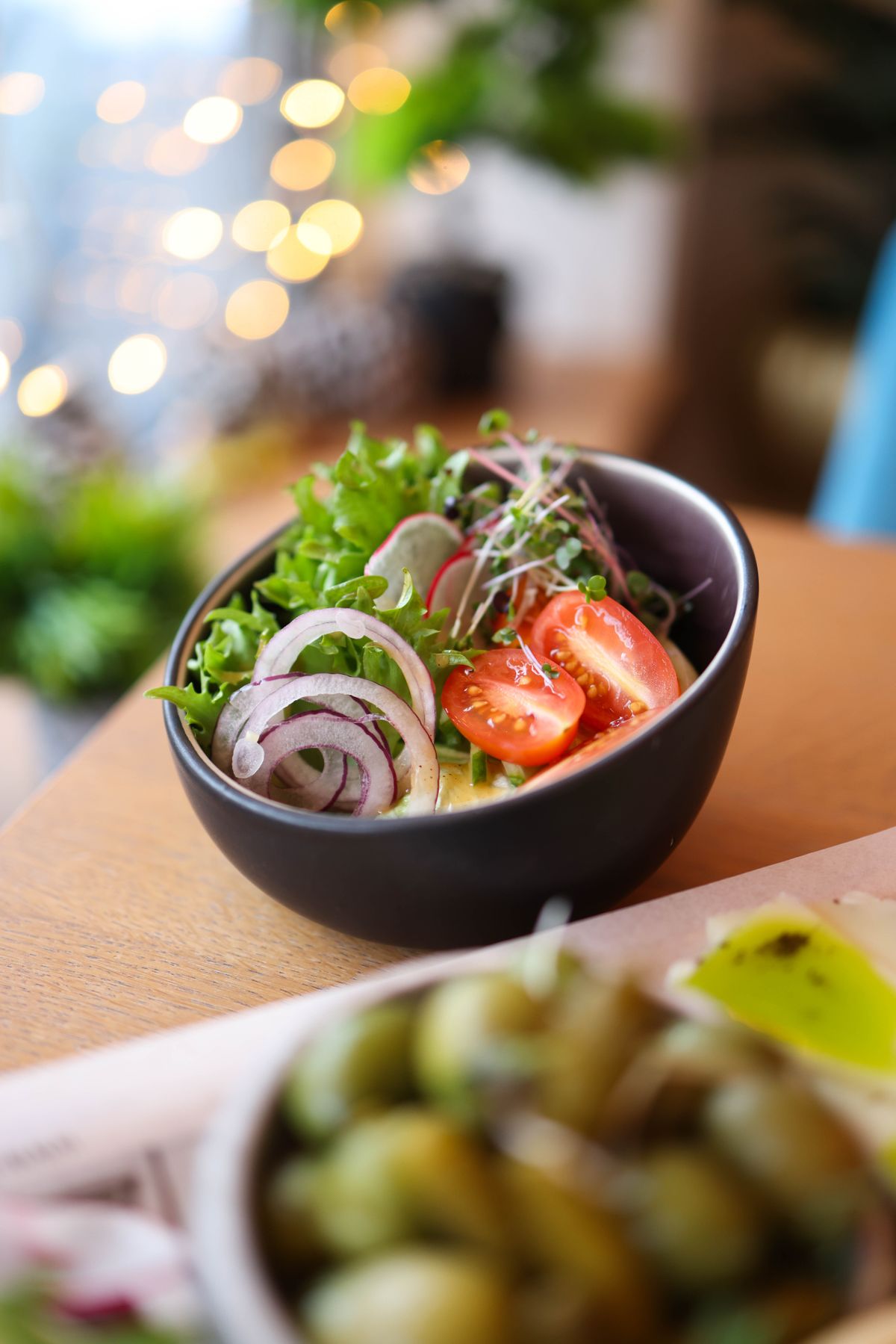
- Fill half your plate with vegetables and fruit for fibre, vitamins and gut health.
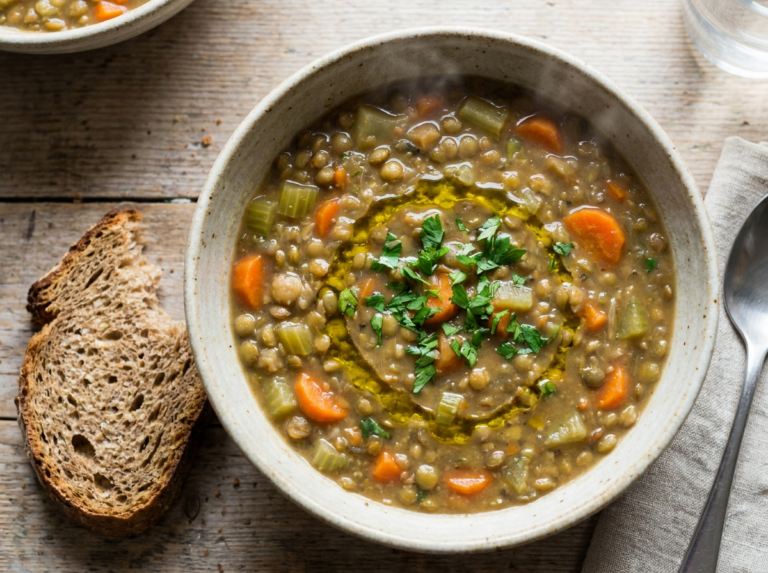
- Choose wholegrains and pulses over refined carbohydrates to steady blood sugar.
- Include healthy fats — olive oil, nuts, seeds, oily fish — for heart and brain.
- Go easy on ultra-processed foods, added sugar and alcohol, which nudge weight, sleep and mood the wrong way.
If that sounds a lot like general healthy eating, that is the point — the fundamentals serve you brilliantly at this stage, no gimmicks required.
What about soy and phytoestrogens?
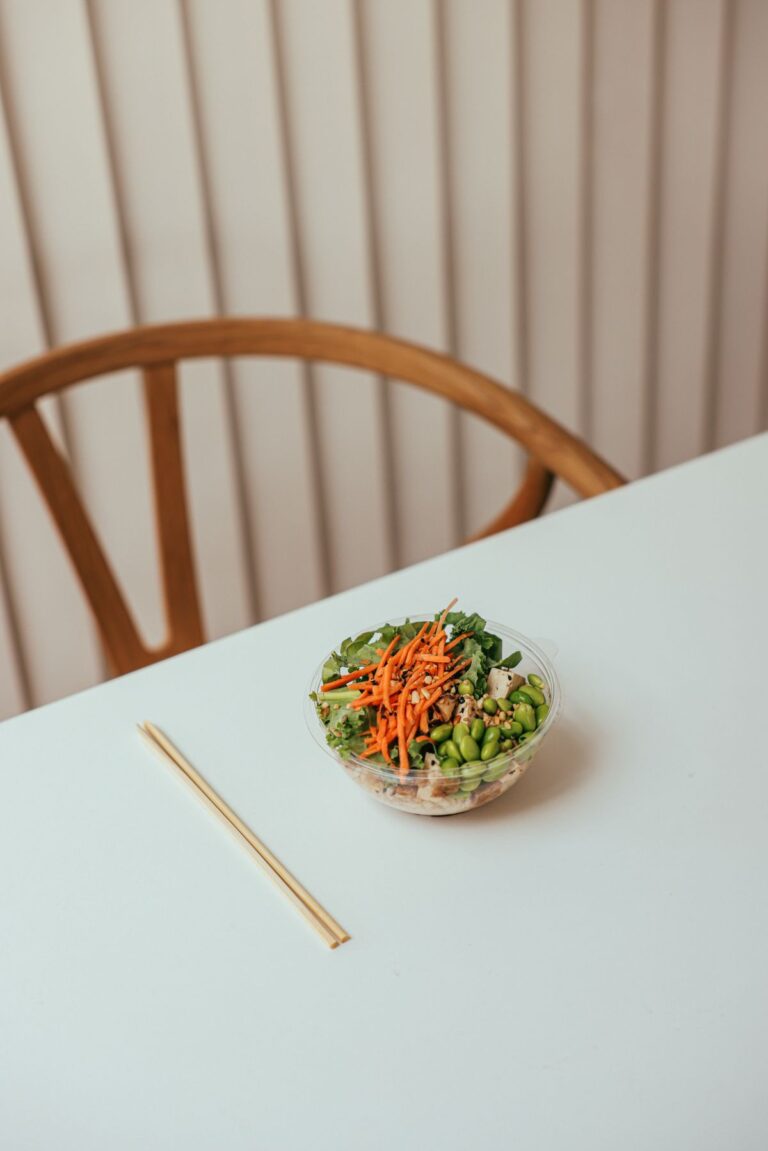
You will see soy and “phytoestrogens” promoted for menopause. These are plant compounds that act like a very weak form of oestrogen in the body. The honest evidence: soy foods are healthy and a good protein source, and phytoestrogens may offer mild benefits for some, but the major menopause bodies do not recommend them as a treatment for symptoms like hot flushes, citing limited evidence. Enjoy soy foods such as edamame, tofu and tempeh as part of a varied diet — just do not expect them to work like medication.
The studies behind this
The soy question deserves a straight answer, so here is the best one available: Taku and colleagues’ meta-analysis of randomised trials (2012, Menopause) found soy isoflavones reduced hot flush frequency by roughly 20% and severity by about a quarter versus placebo — a real but modest effect, from food-level compounds, with a good safety record in the trials. That sits exactly where this article puts food overall: meaningful support, not medication. The bigger dietary wins for the transition remain the unglamorous ones — protein at each meal, fibre, and the Mediterranean-style pattern — with soy foods a sensible optional extra rather than a requirement.
The pattern beats the “superfood”
No single food is a menopause hero, however it is marketed. Benefits come from the overall pattern — lots of plants, enough protein, healthy fats, minimal ultra-processed food — repeated most days. A Mediterranean-style way of eating captures this well and has strong evidence for heart and general health. Spending your energy on the pattern, rather than chasing the latest superfood or supplement, is where the real payoff lies.
Putting it on the plate: breakfast, the hormone-friendly way
The two things that matter most
Two ingredients do most of the work:
- Protein. It blunts the blood-sugar rise, keeps you full, and supports muscle. Aim for a decent serving — around 25 to 30 grams if you can.
- Fibre. It slows digestion, feeds your gut, and further steadies blood sugar. Wholegrains, fruit, vegetables, seeds and pulses all help.
Add some healthy fat for staying power, and go easy on refined sugar and refined carbohydrates eaten on their own — a pastry and juice is the classic spike-and-crash.
What a good breakfast looks like
There is no single “best” breakfast — the best one is balanced, and one you enjoy and will actually eat. A few examples that hit protein and fibre:
- Greek yoghurt with berries, ground flaxseed and a few nuts.
- Eggs (any way) with wholegrain toast and tomatoes or spinach.
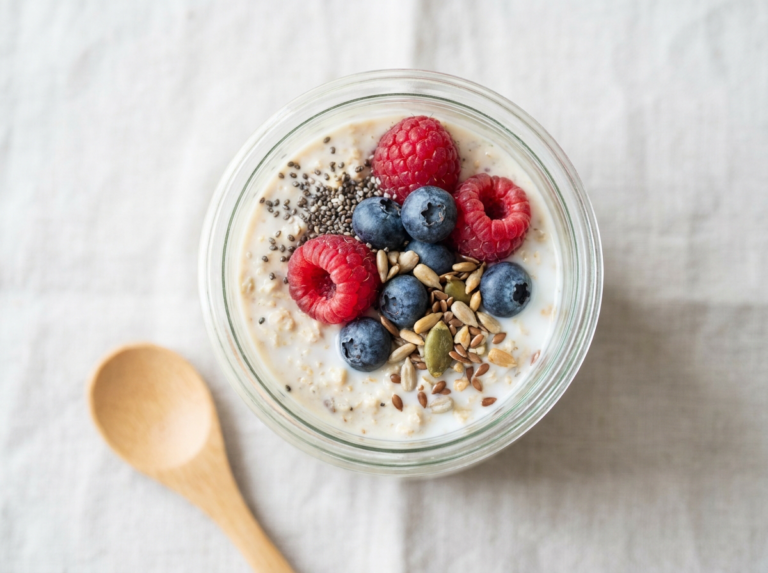
- Overnight oats made with milk or soya, seeds and fruit.
- A quick smoothie with protein, spinach, berries and a spoon of nut butter.
- Beans on wholegrain toast — humble, high-fibre and surprisingly protein-rich.
If you are not a breakfast person
You do not have to eat breakfast to be healthy, and forcing down food you do not want is not the goal. If you are genuinely not hungry, it is fine to wait — just make your first meal a good one when it comes, and notice whether skipping leaves you ravenous and grabbing something sugary later. Let your energy and hunger, not a rule, decide.
Keep it realistic
You do not need to eat perfectly. Aim for good choices most of the time, keep some easy wins to hand (a protein-rich breakfast, vegetables you enjoy, wholegrain swaps), and let the occasional treat be just that. A way of eating you can sustain beats a strict “menopause diet” you abandon in a fortnight.
When to see a professional
See a professional or a registered dietitian if you have specific concerns, a health condition such as diabetes, significant symptoms, or want tailored advice — especially before making big or restrictive changes to how you eat.
If you want to trial the soy angle without overhauling anything: edamame as the afternoon snack, soy milk in the morning coffee, tofu in one stir-fry a week. Food doses, four weeks, judge by your own flush tally — and if nothing changes, you have lost nothing and eaten well.
Frequently asked questions
Can eating balance my hormones?
Not literally — your ovaries set your hormone levels. But good eating supports your energy, weight, gut, mood and long-term health, which is what “hormone-friendly eating” really means.
What is the best diet for menopause?
There is no special menopause diet. A pattern rich in vegetables, protein, wholegrains, pulses and healthy fats — Mediterranean-style — has the best evidence for health at this stage.
Do soy and phytoestrogens help menopause symptoms?
Soy foods are healthy and phytoestrogens are mild, but major menopause bodies do not recommend them as a treatment for symptoms like hot flushes, citing limited evidence. Enjoy them as food, not medicine.
What should I eat more of after 40?
Protein at each meal, plenty of vegetables and fruit, wholegrains, pulses and healthy fats. Fibre and protein are the two most women could use more of.
What should I cut down on?
Ultra-processed foods, added sugar and excess alcohol, which nudge weight, sleep and mood in the wrong direction. You do not need to be perfect — just aim for less, most of the time.
Is there a single best menopause food?
No. Benefits come from the overall pattern repeated most days, not any one food. Be sceptical of anything marketed as a single menopause superfood that does it all.
Products we think are worth a look
Fit and Healthy Being is reader-supported. Some links below are affiliate links: if you buy through them we may earn a small commission at no extra cost to you. This is education, not medical advice. See our affiliate disclosure.
If you want a done-for-you way to add more plants and protein, The Smoothie Diet is a 21-day whole-food smoothie plan that takes the guesswork out of getting started.
Get your free Healthy Ageing Starter Kit
A 21-day meal plan, hormone checklist, walking planner and more — free when you join our newsletter.
References and disclaimer
Sources: This article draws on peer-reviewed nutrition research and guidance from major menopause bodies, including evidence on dietary patterns and phytoestrogens. For further evidence-based guidance, see The Menopause Society and World Health Organization. It is general information, not medical advice.
This article reflects current, widely accepted nutrition guidance from major health organisations. It is for general education only and is not a substitute for personalised dietary or medical advice. If you have a health condition or specific dietary needs, please speak with a qualified professional.